
Telly Tuita & Rosanna Raymond
Telly Tuita
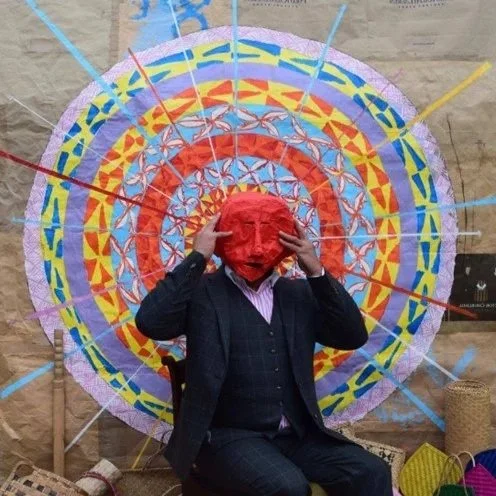
Born in Tonga in 1980, Telly Tuita grew up in several villages before moving to Sydney at age nine. The cultural shift from island life to urban metropolis shaped his fascination with consumerism, reinvention, and the glossy surfaces of Western culture. Navigating complex family circumstances, Tuita eventually entered university, a turning point that laid the foundation for his artistic practice.
Tuita coined the genre “Tongpop”, an intriguing blend of Western cultural icons, music, literature, and pop culture with memories, motifs, and traditions from his Tongan heritage. Working across video, photography, painting, sculpture, and installation, he explores identity, belonging, and self-worth, capturing the experience of living between two realities.
Tongpop embodies both contrast and fusion — the shimmering spectacle of modernity layered with ancestral presence — offering a deeply personal yet expansive lens on diasporic life and cultural identity.
Rosanna Raymond/The SaVĀge K’lub
Rosanna Raymond (also known as Sistar S’pacific) is a leading figure in contemporary Pacific art and culture. Her multifaceted practice spans performance, writing, curation, pedagogy, institutional critique, and body adornment. She is a founding member of the internationally recognised SaVĀge K’lub and a long-standing member of the Pacific Sisters art collective.
Raymond’s work critiques traditional museum practices while creating platforms for dialogue that embody living connections between past, present, and future narratives. Internationally recognised, she has exhibited and presented in major institutions and communities worldwide. In 2018, Raymond was awarded the CNZ Pacific Senior Artist Award for her contribution to the arts, and she is a Member of the New Zealand Order of Merit for services to Pacific Arts.
Project Summary
Special Guest Contributor - ‘Portrait of Mai’ | The Fitzwilliam Museum | England, UK
This year the Fitzwilliam Museum and the Museum of Archaeology and Anthropology (MAA) collaborated with the National Portrait Gallery for the UK tour of Joshua Reynolds’ ‘Portrait of Mai’ (1776). Depicting Mai of Ra‘iātea — the first Polynesian visitor to Britain who travelled with Captain Cook — the portrait reflects a little-known legacy of Moana histories and encounters with Empire.
The Fitzwilliam Museum invited the SaVĀge K’lub, under the curation of Rosanna Raymond, to reimagine the Octagon Gallery display and outreach programme for the portrait’s penultimate UK showing. Co-designed with Tahitian artists, the project transformed the gallery space with the sights and sounds of Mai’s homeland, activating Pacific presence through contemporary creative practices.
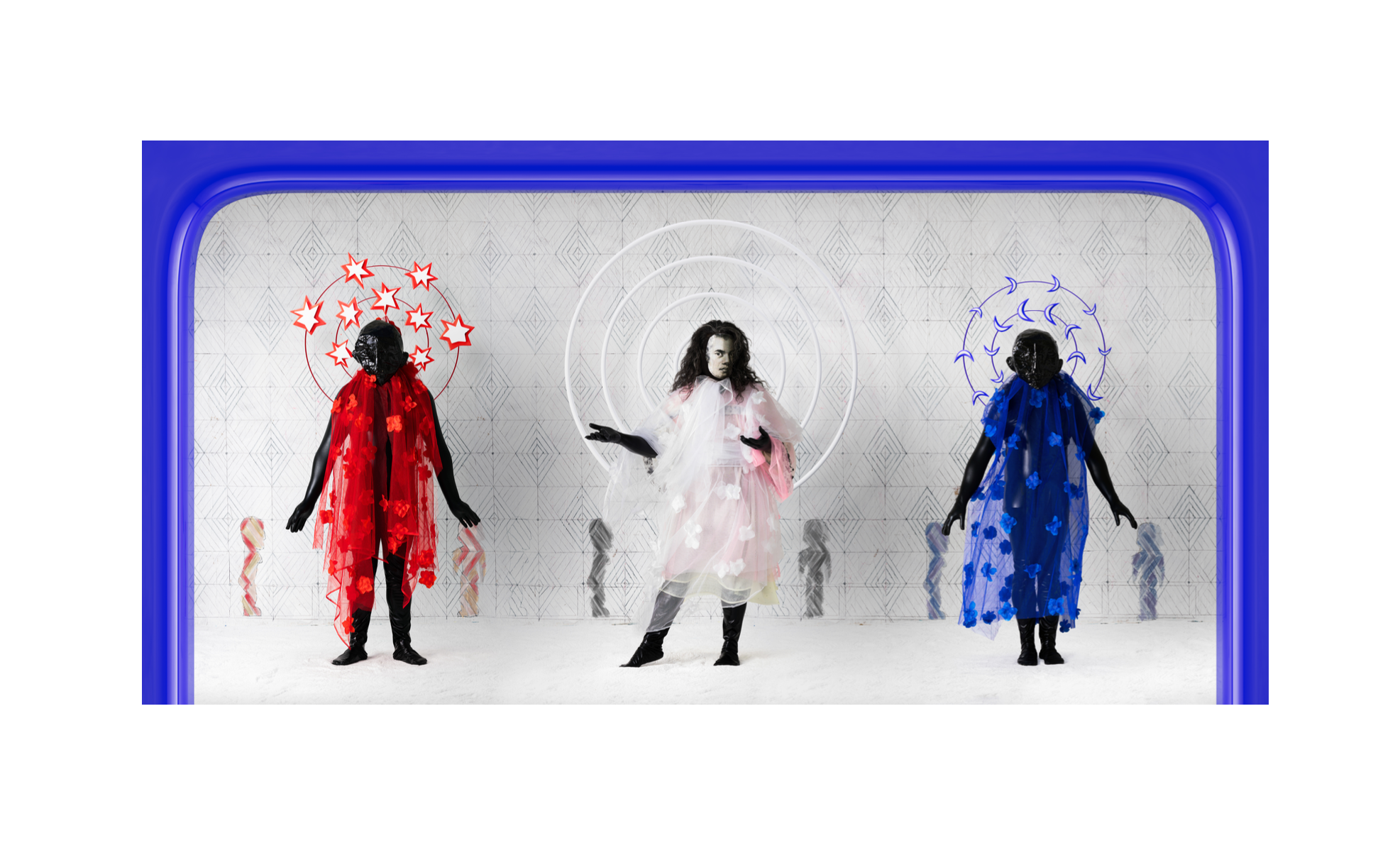
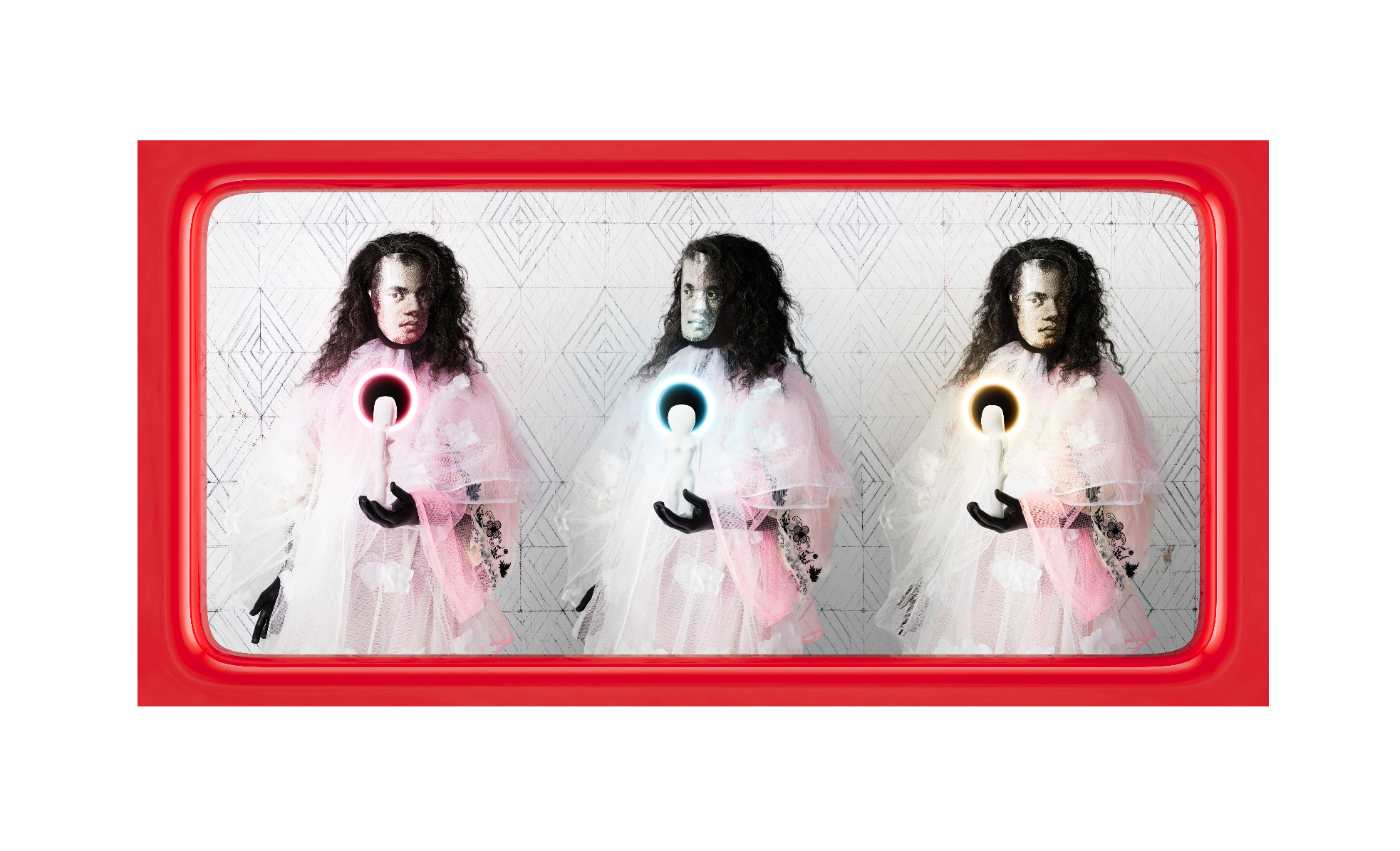
As part of this project, Rosanna invited artist Telly Tuita as a special guest contributor. Tuita presented ‘A Troop of Kuli’ (38 laser-cut MDF dogs), inspired by his travels in Tahiti, alongside ‘Masking Mai: A Tongpop Fiction’, a new performative self-portrait series reimagining Mai through his unique genre of Tongpop. Tautai supported the digital post-production of the work, which enabled the completion of this series. Together, these works brought past and present into dialogue, centring Moana voices in the retelling of shared histories.
An interview with artist Telly Tuita
Telly Tuita reflects on his experience participating in an international programme, noting that although he wasn’t physically present for the exhibition, his work was represented strongly and displayed with care. Much of his contribution occurred during pre-production, which required planning months ahead and ensuring the material provided could be installed without his physical input. He highlighted that photography worked well for this context because it allowed the hosting team - Rosanna Raymond, The SaVĀge K’lub and the Fitzwilliam Museum - to install the work smoothly.
He discussed the value of being associated with prominent figures and institutions, such as Rosanna Raymond, The SaVĀge K’lub and the Fitzwilliam Museum. This association boosted his visibility, especially in the UK and Europe, where he had not previously exhibited. Social media interactions - even with curators unrelated to the project - showed that the exposure had already expanded his international profile, which had previously been mainly in Australia and Rarotonga.
Tuita explains that his work, focused on the figure of Mai, aligned well with the exhibition’s central themes. He noted that he would not have shown this series for several more years without the context this installation provided. He also reflected on how the collective’s presence - especially members from Tahiti - created an appropriate cultural and emotional grounding for the show. Tuita believes his absence did not diminish the exhibition; instead, it brought a different balance, emphasising the voices of those culturally closest to Mai. “The end result was stunning because, if you saw the room, no matter where you go, you can still see my work. It’s not lost!”
He described the exhibition as opening new pathways. As a direct result of this experience, he has been invited to participate in the Québec Biennale, where organisers are reviewing his earlier performative photography works, including Diaspora’s Children and Professional Brown Man. He noted that photography, being easier to transport and fabricate internationally, is increasingly practical for his growing career, though his sculptural pieces (like the MDF dogs) may also travel in future.
Tuita expressed appreciation for the support from Tautai and the Artists Across Borders initiative. He acknowledged that without this funding assistance, he would not have completed the work to the level required - “The work wouldn’t have been fully realised the way it was meant to be.” The programme helped him overcome his reluctance to apply directly for Creative New Zealand funding and enabled him to produce works that now have continued life beyond the Cambridge exhibition.
He emphasised the importance of work that lives on, travelling internationally and reaching new audiences. “I do love work that continues to live, and it’s not just a once-off.” This series is Tuita’s most current Tong Pop series, now ongoing and commercially viable, is expected to become his introduction to the Australian commercial art scene.
Finally, in offering advice to future artists invited to similar programmes - especially those unable to attend in person - Tuita underscored the importance of careful pre-production, clear communication and ensuring all materials are fully prepared for international installation, particularly for artists unable to attend in person. He highlighted that these opportunities are invaluable for artistic growth, visibility and the continued life of the work. For Tuita, these programmes are not only about a single exhibition outcome, but about creating pathways for artistic growth, increased visibility and work that continues to travel and resonate well beyond its initial presentation.