Christopher Ulutupu

Christopher Ulutupu
Christopher Ulutupu is a multimedia artist based in Whakatū whose work explores identity, diaspora, and cultural hybridity through film, performance, and installation. Drawing on his Sāmoan heritage and life in Aotearoa, Ulutupu’s practice blends personal narrative with socio-political commentary, often with humour, theatricality, and the absurd.
He holds a Bachelor of Performance Design and a Master of Fine Arts from Massey University, and has exhibited widely across Aotearoa and internationally, including at Te Tuhi, Pātaka Art Museum, Enjoy Contemporary Art Gallery, and the Hobiennale in Tasmania. His notable works include Into the arms of my coloniser (2016), a playful reflection on intercultural dating, and The Fall (2022), a two-channel video exploring collapse, endurance, and post-colonial futures.
Alongside residencies and exhibitions, Ulutupu is a mentor and educator, fostering creative expression within communities. Through his bold practice, he invites audiences to reconsider narratives of culture, history, and belonging.
Project Summary
MFA and Asia Foundation Artist Residency | Hanoi, Vietnam
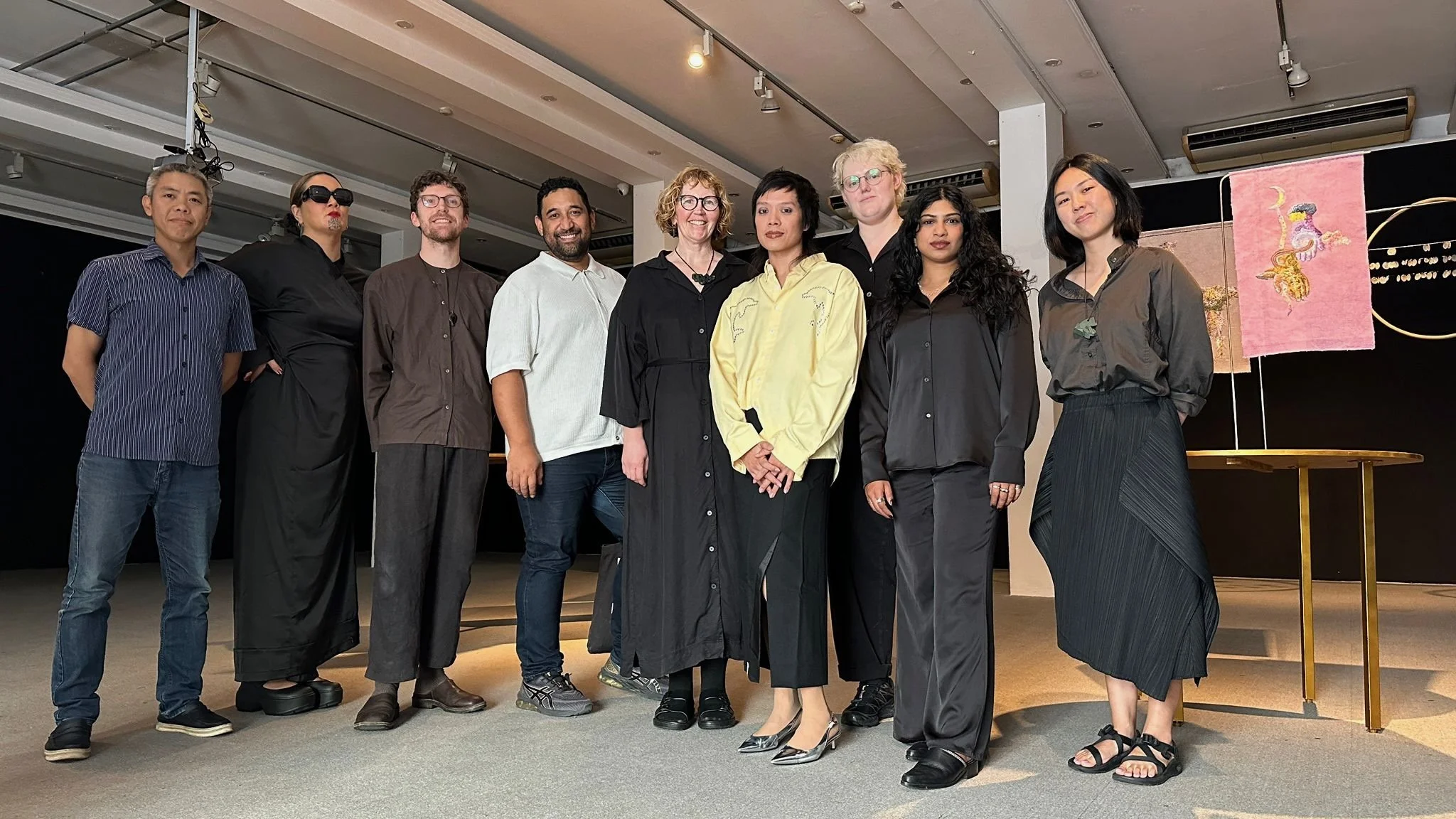
Christopher Ulutupu took part in an artist residency in Hanoi, Vietnam, alongside fellow Aotearoa artists Sorawit Songsataya (Bangkok, Aotearoa) and Georgina May Young (Ōtepoti). The residency, funded by the Ministry of Foreign Affairs and the Asia Foundation New Zealand, commemorated 50 years of Vietnam’s independence and the end of the Vietnam War.
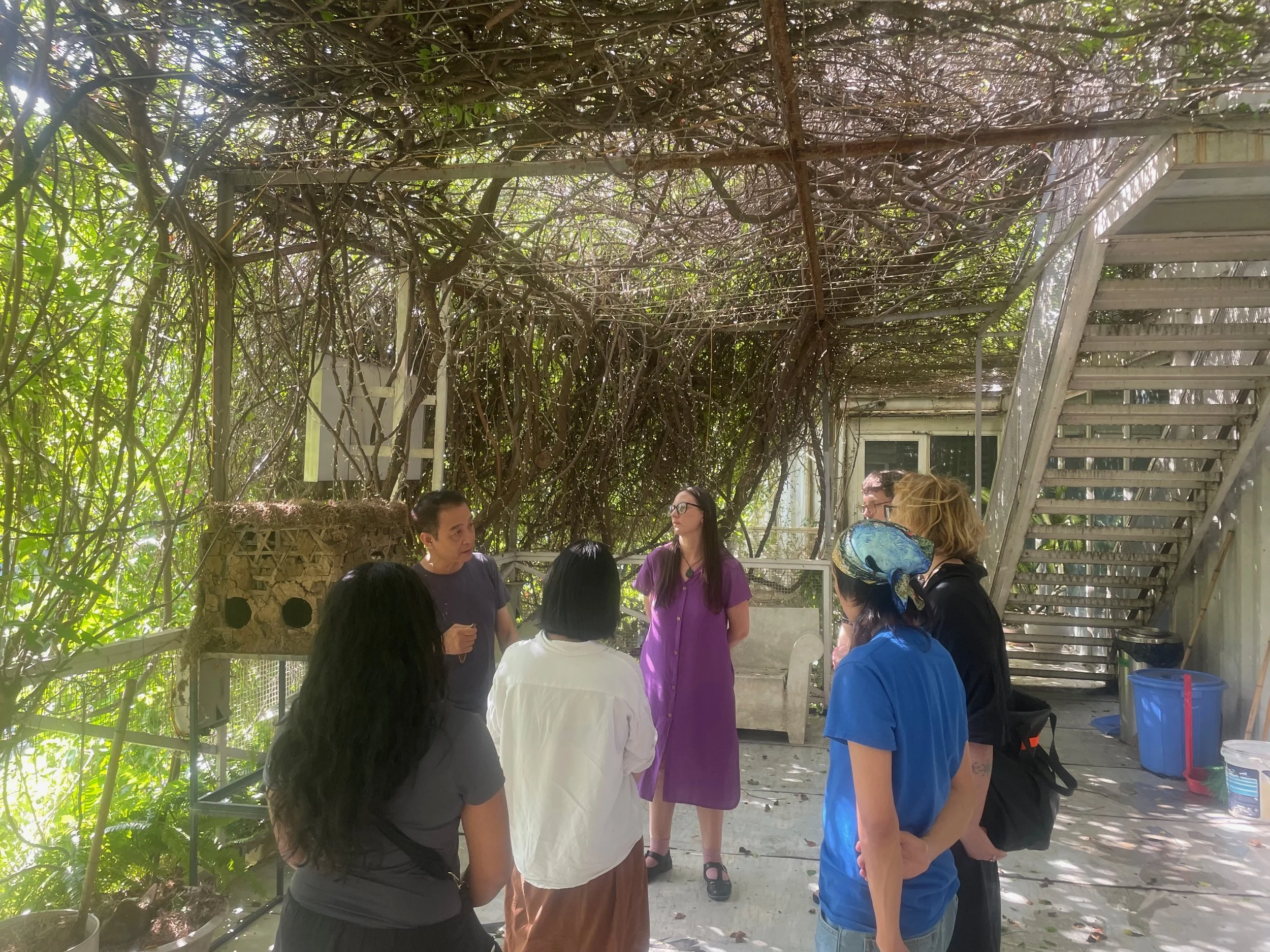
Across three weeks, the Aotearoa envoy connected with Vietnamese artists and curators, fostering cultural exchange and professional development. As part of the residency, Ulutupu exhibited ‘What’s the worst you could do?’ (2021), a diptych originally commissioned by Te Tuhi Art Gallery and curated by Robbie Handcock for The Inner Lives of Islands. Alongside exhibitions, the programme included public workshops, gallery visits, and discussions with arts practitioners, building meaningful relationships between Aotearoa and Vietnam’s creative communities.
This opportunity extended Ulutupu’s ongoing commitment to cross-cultural dialogue, using art as a bridge between histories, peoples, and places.
RESIDENCY SUMMARY
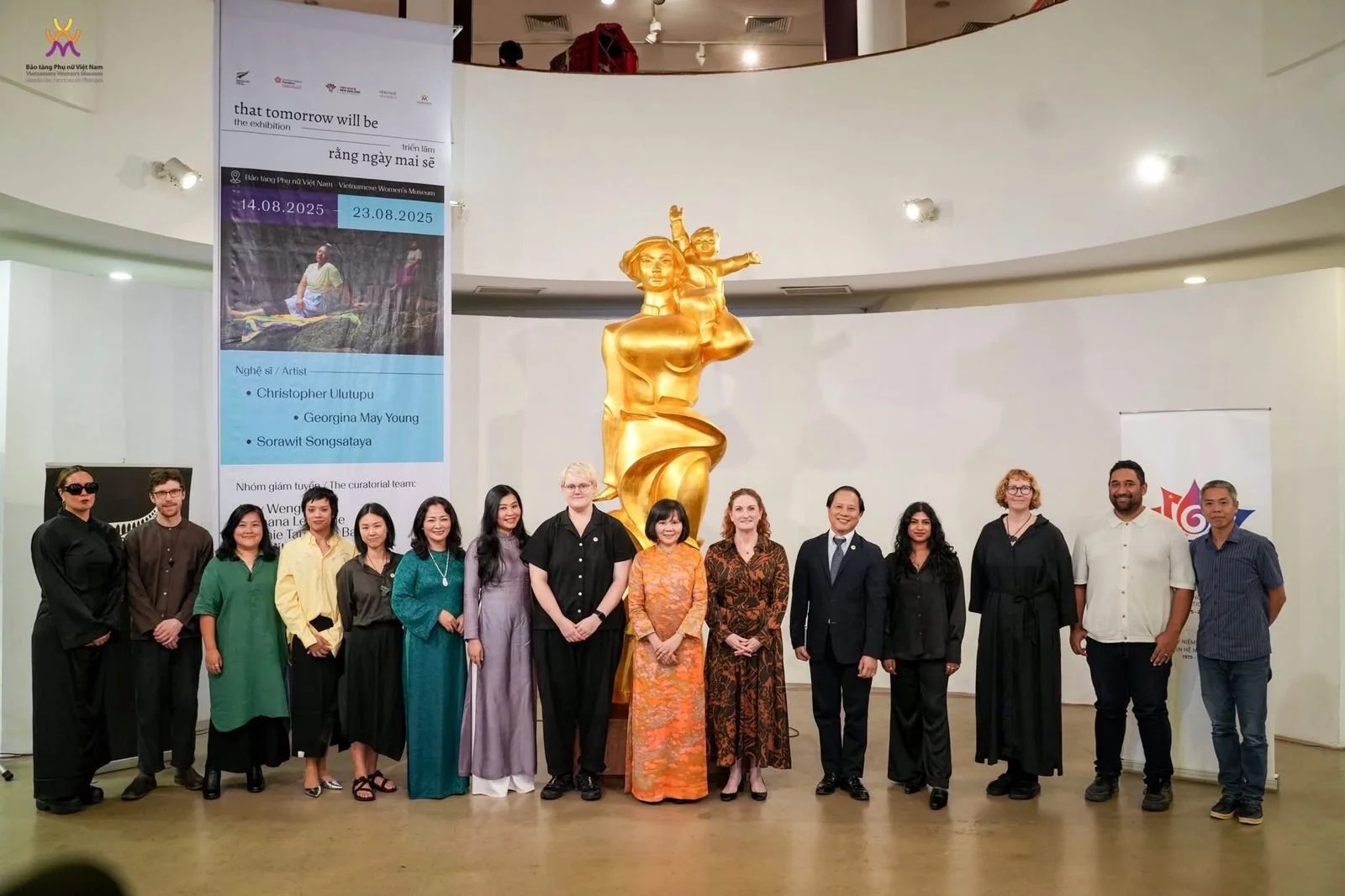
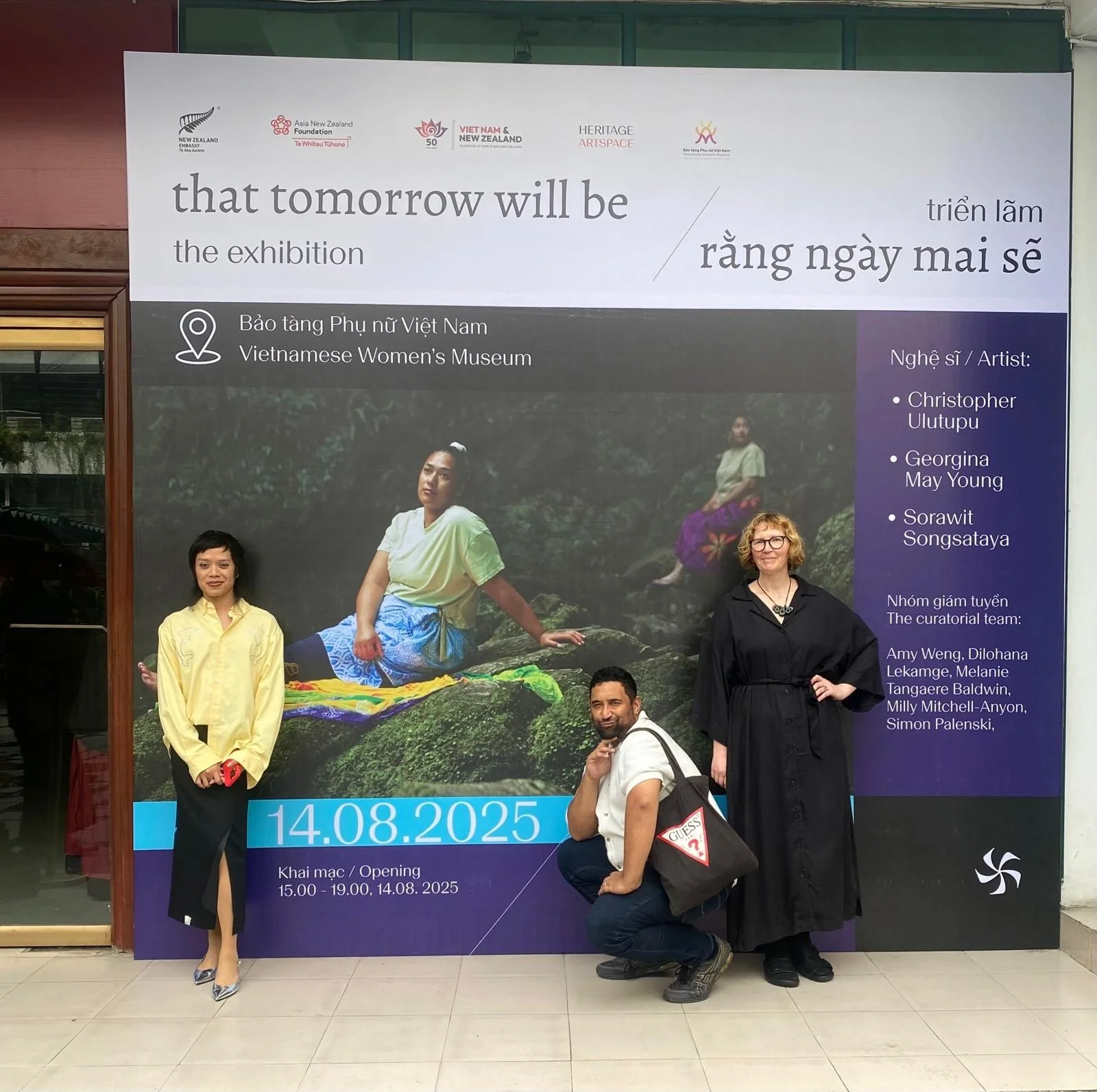
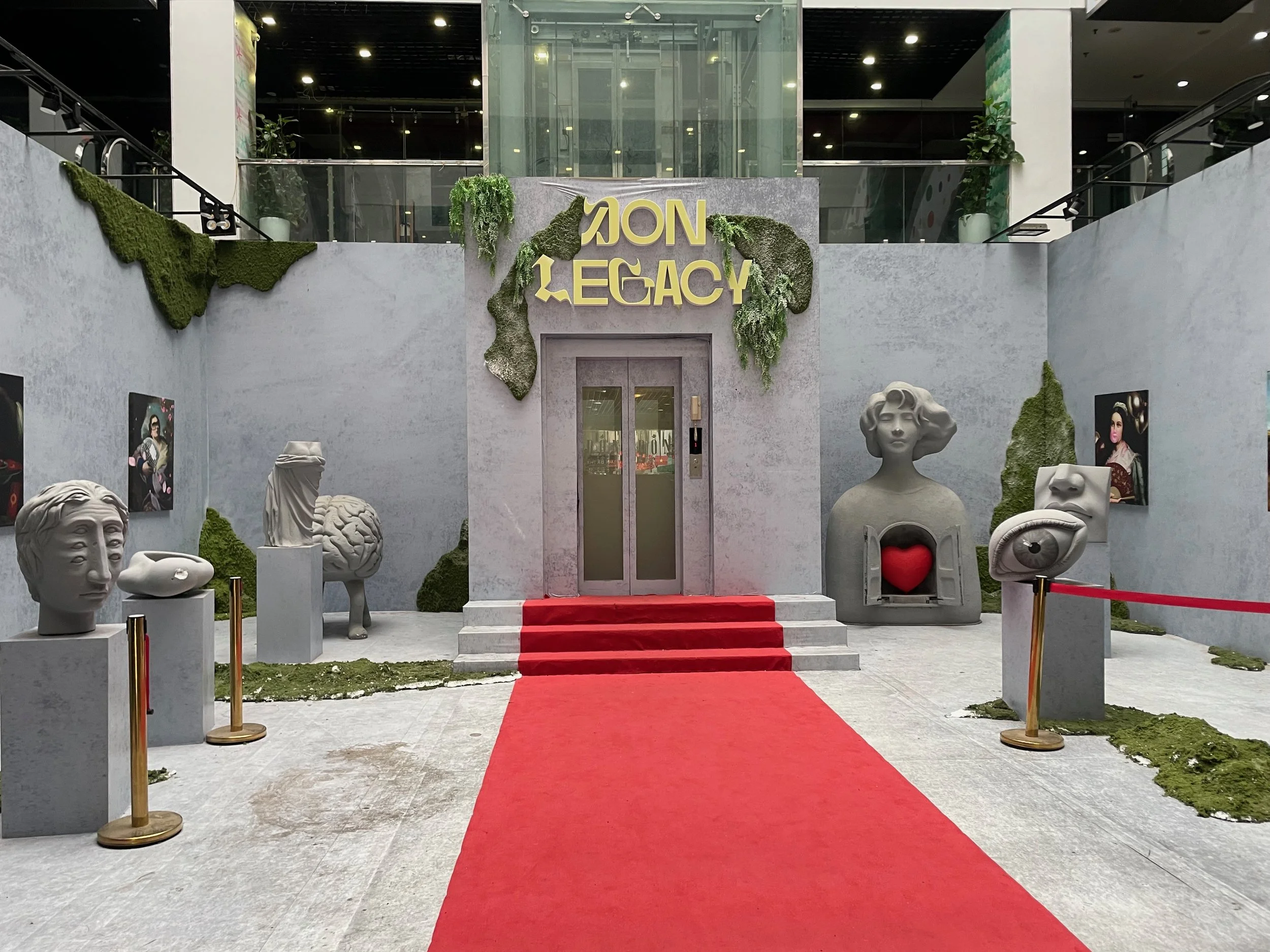
On the 4th of August, I departed Aotearoa for Hanoi, Vietnam, joining the curatorial team and artists for "That Tomorrow Will Be"—an exhibition marking 50 years of diplomatic relations between Aotearoa and Vietnam. Held at the Women's Museum in partnership with Heritage Art Space, the project prompted reflection on what histories and stories are important to share and learn from, and what it means when two cultures choose to meet.
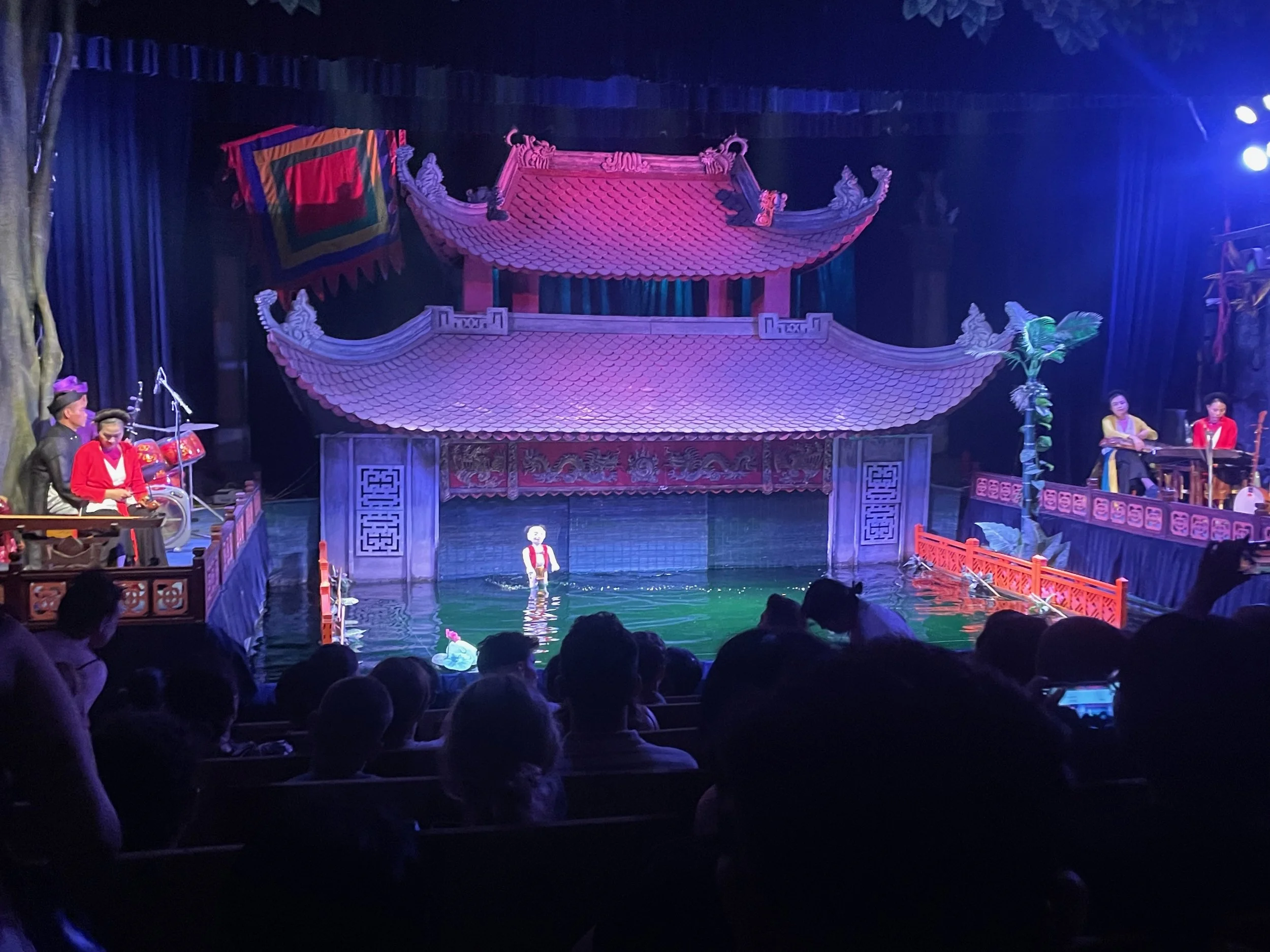
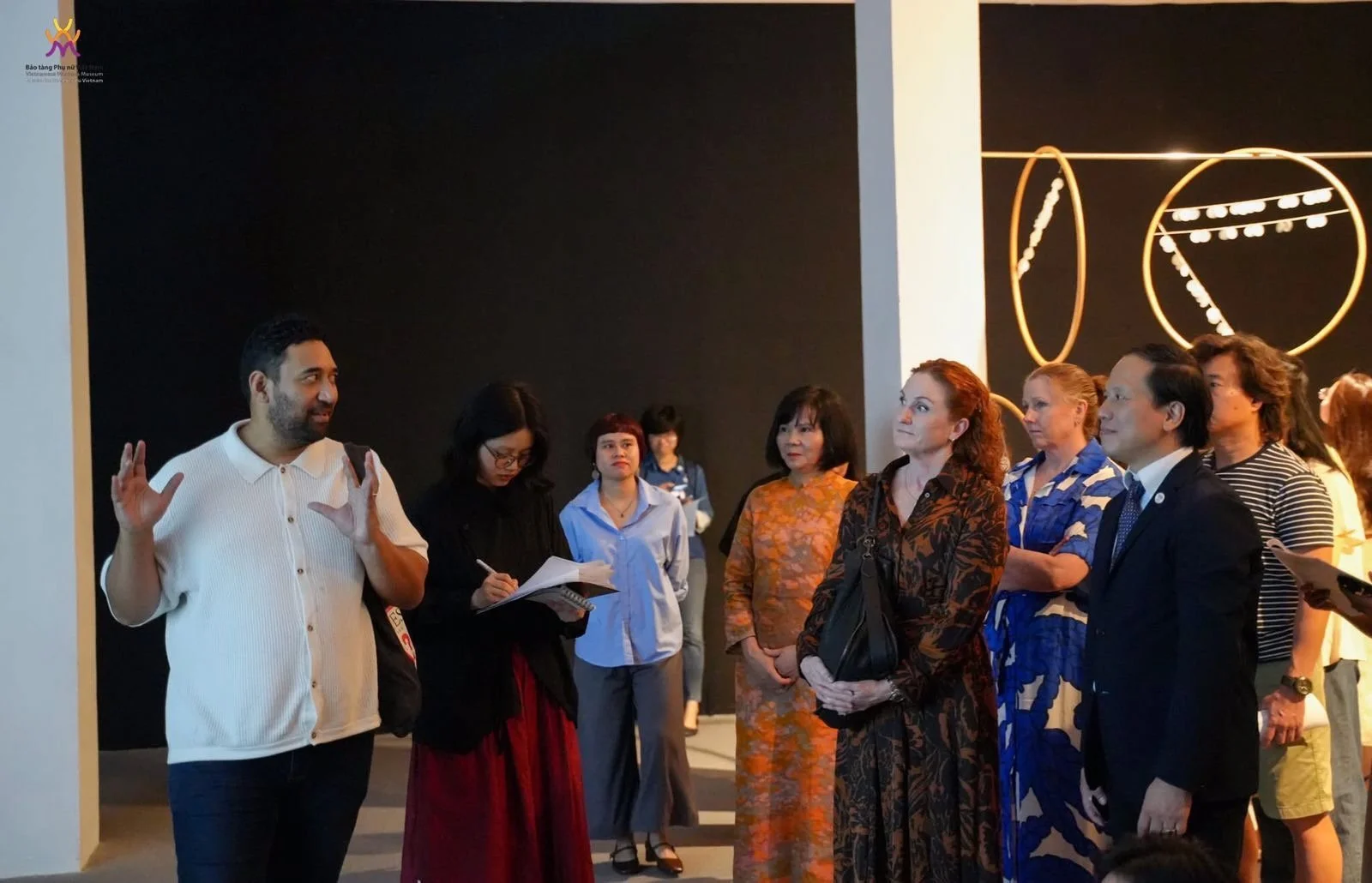
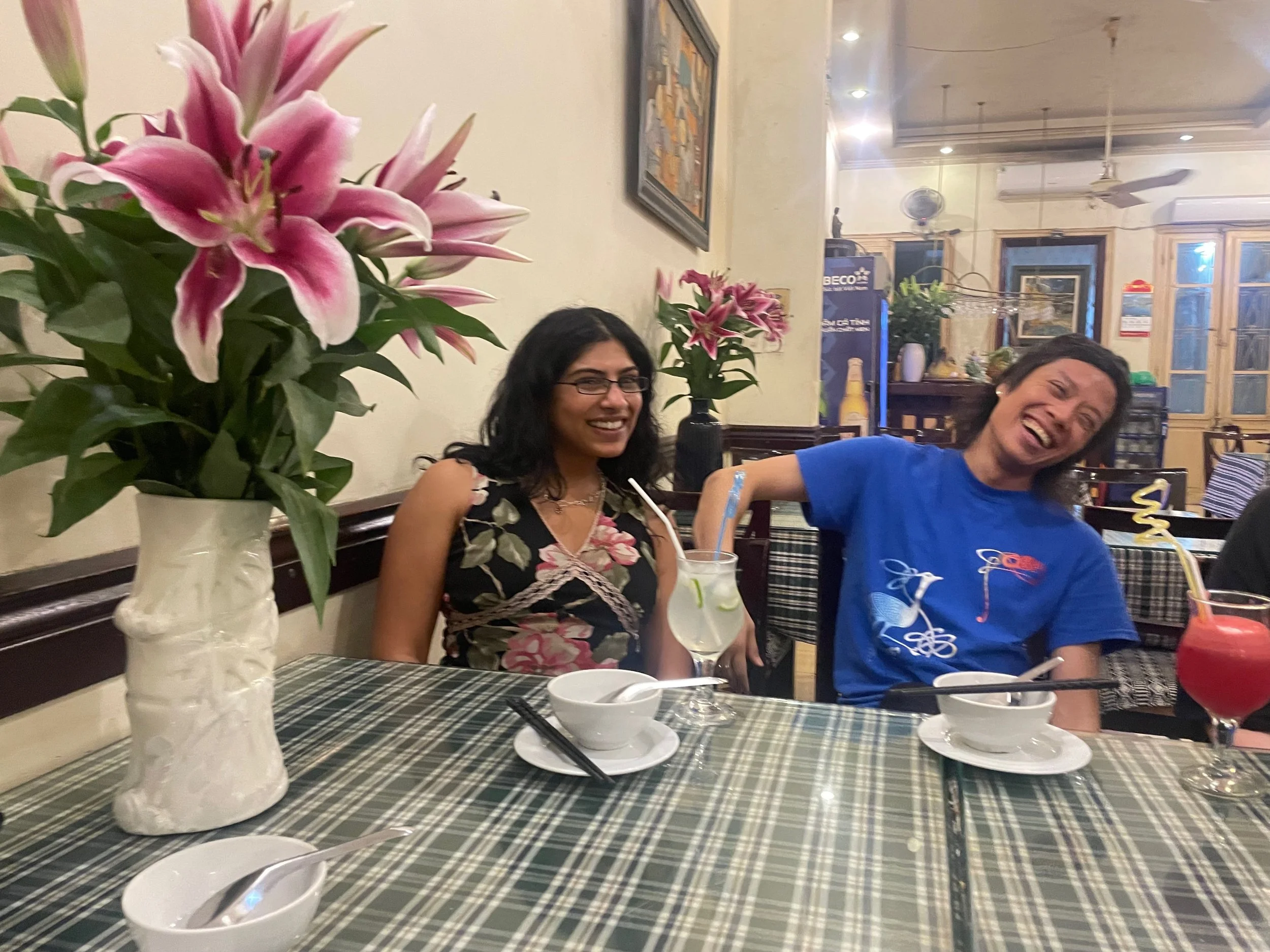
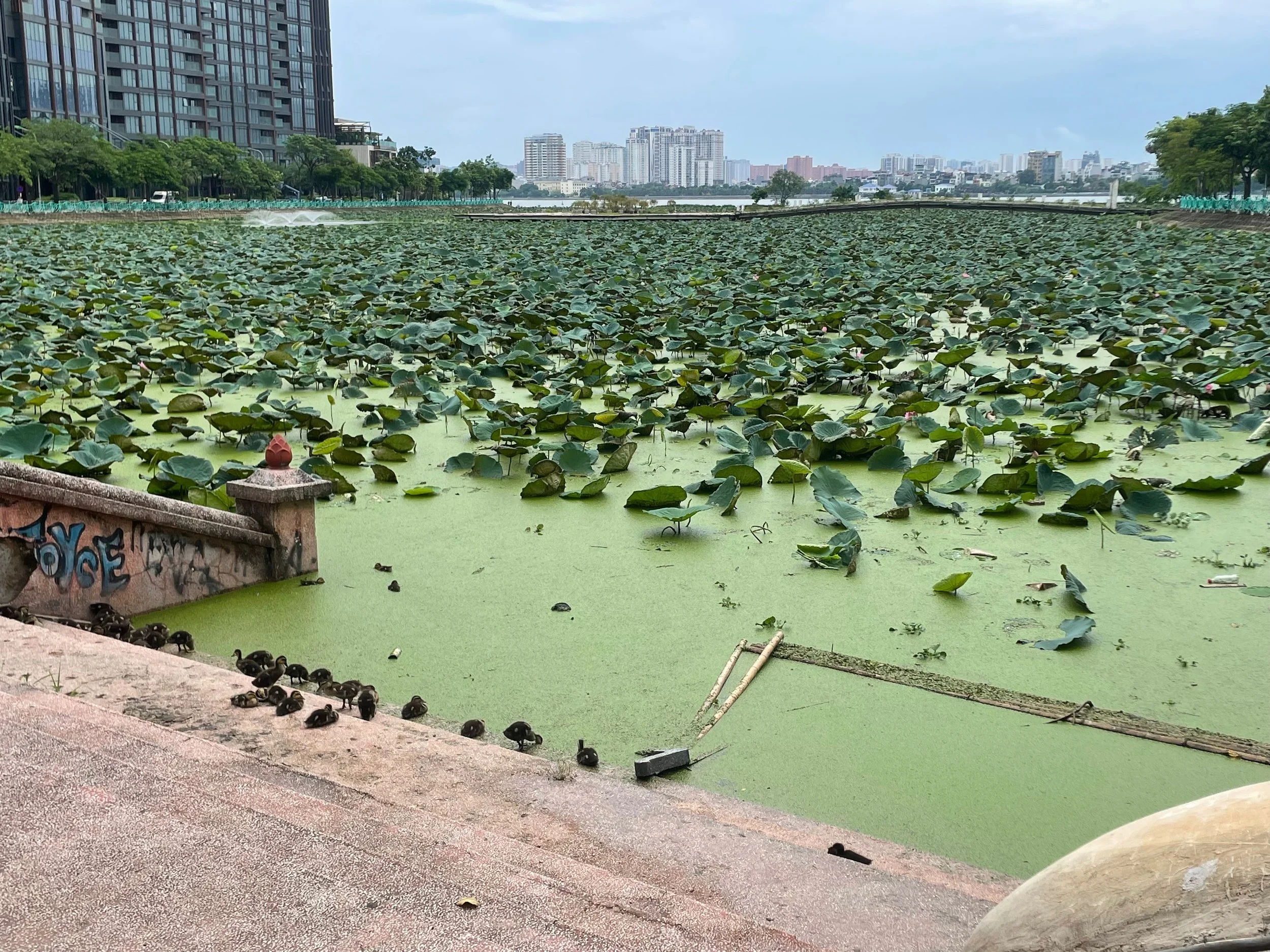
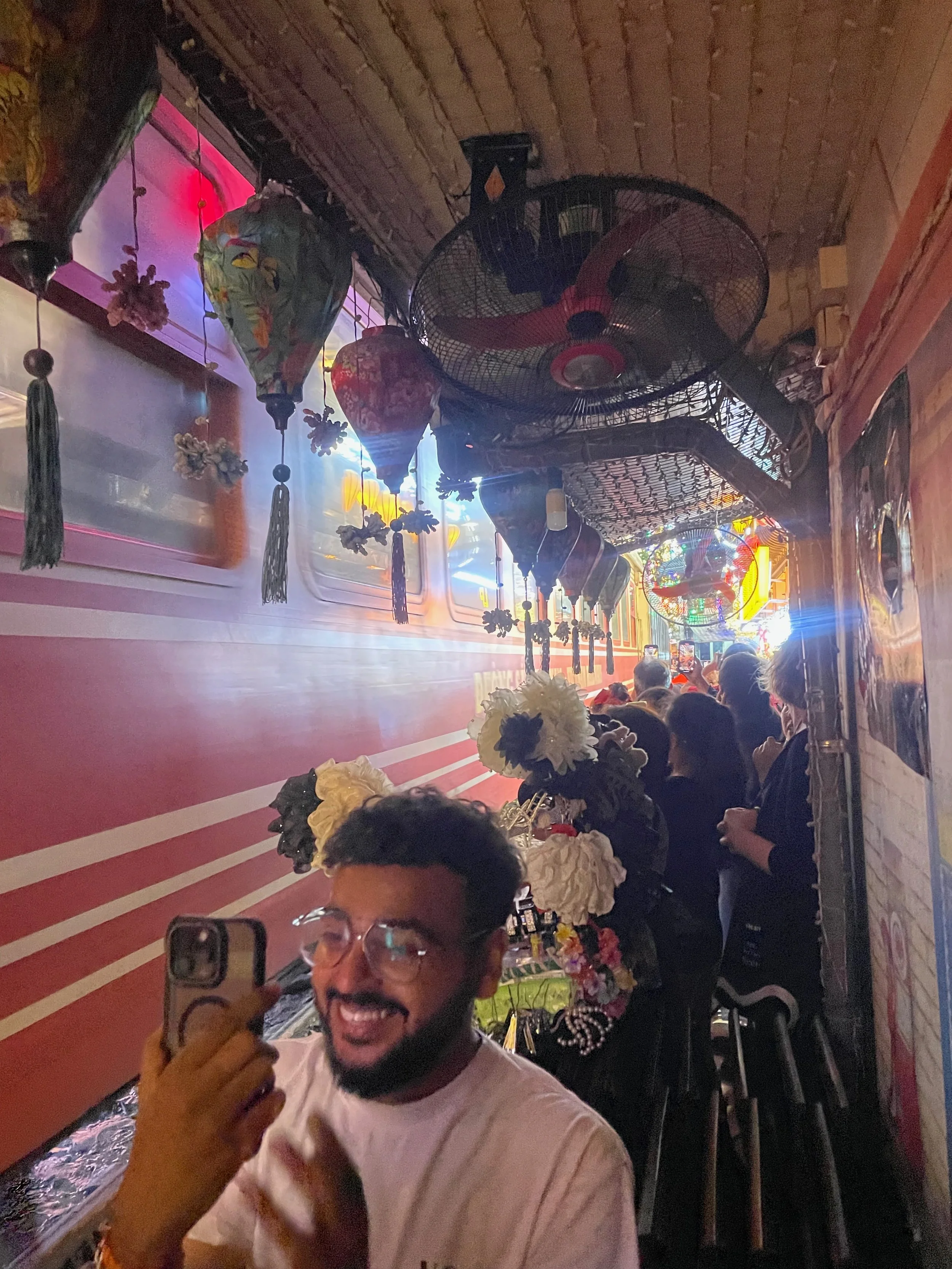
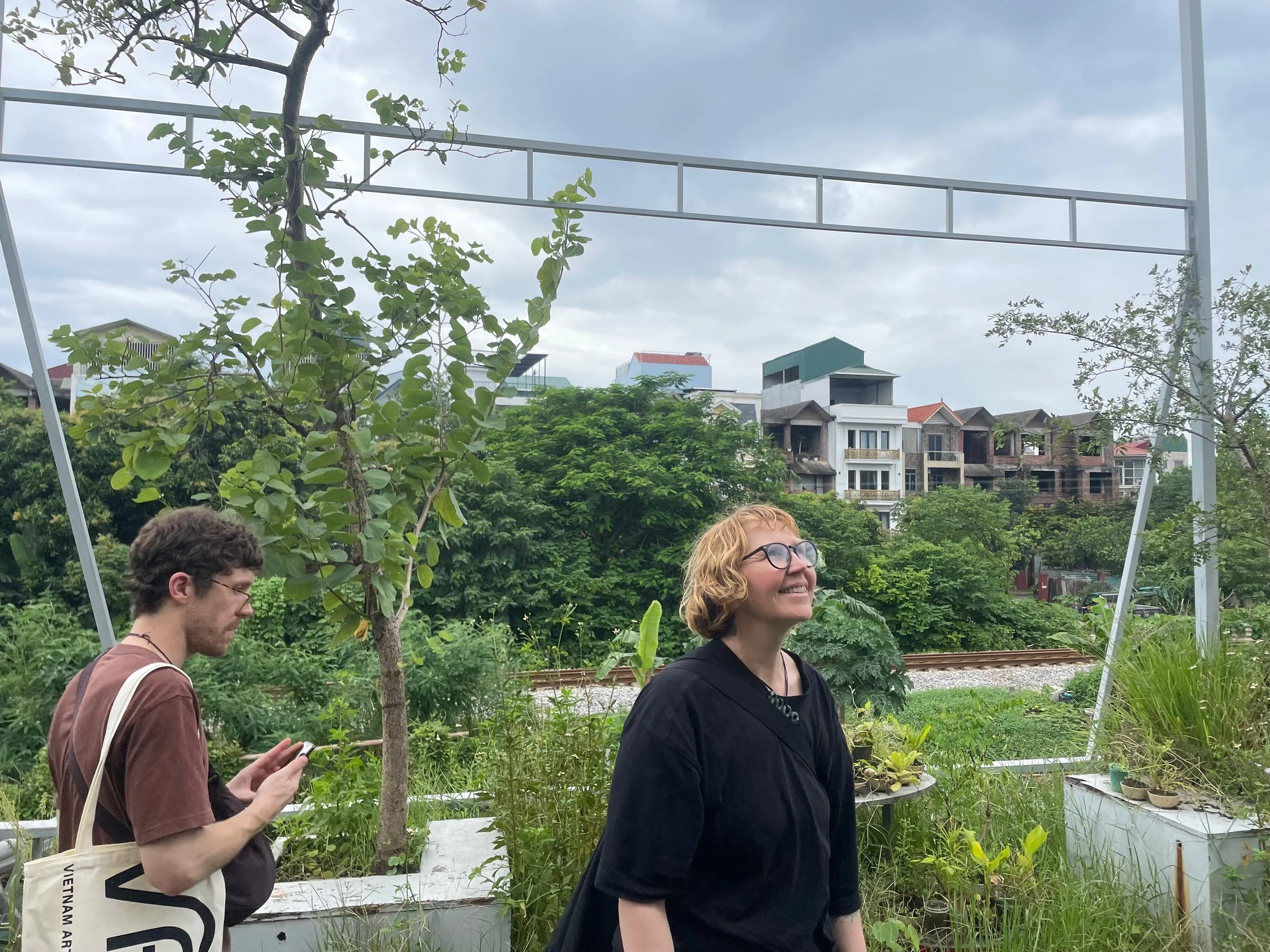
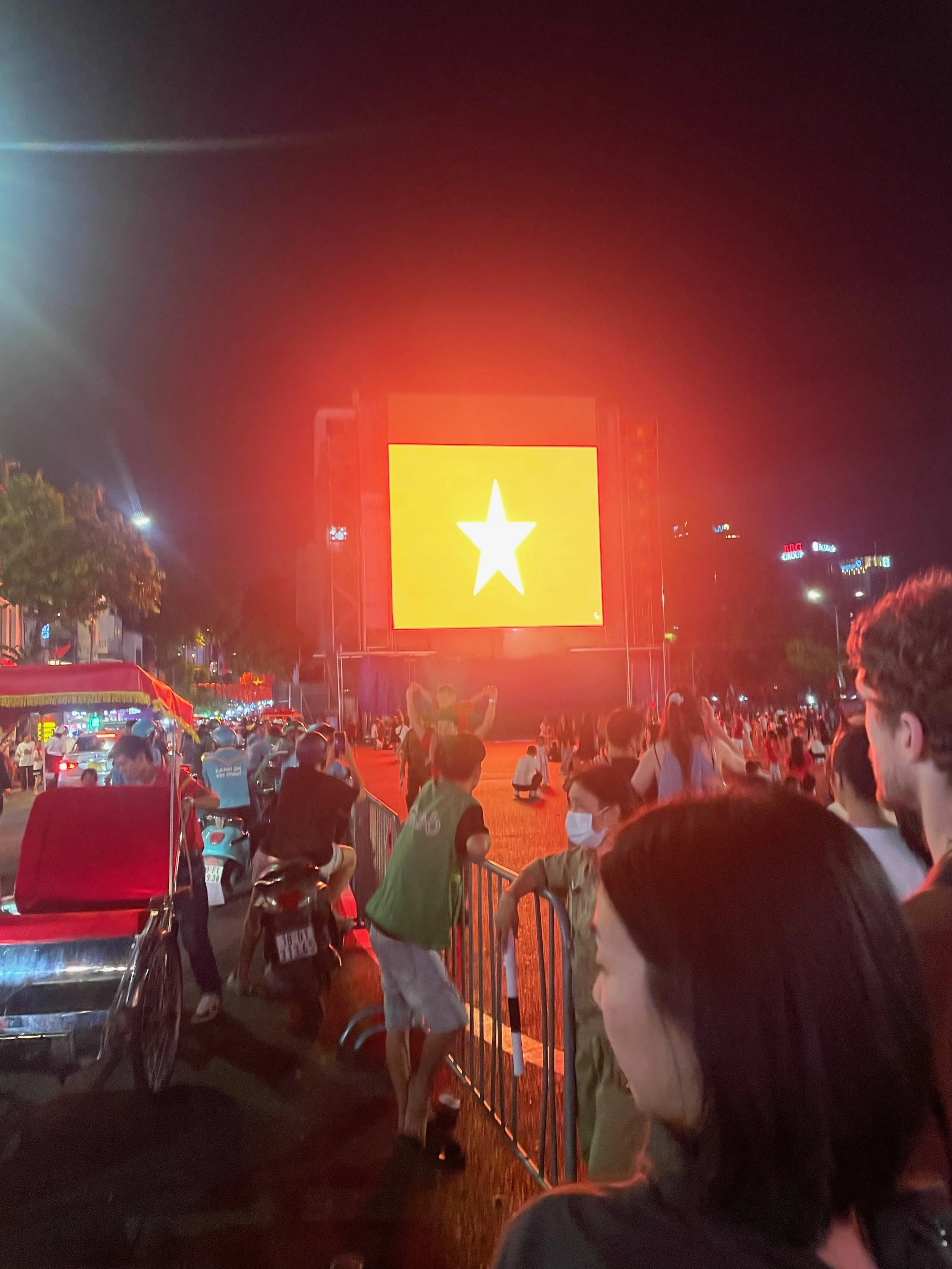
Throughout the residency, I quickly adapted to the humidity and bustling energy of Hanoi, fuelled by Vietnamese iced coffee and Banh Mi. An artist panel deepened discussions around diaspora, indigeneity, and cultural exchange. The opening ceremony was a standout moment, feeling like a true celebration of collective effort and shared vision between our two cultures. I was not expecting the process to be as formal as it was—essentially a meeting of two governments. The media presence was entirely new for me, with cameras and national news covering the exhibition (which begs the question why not back in New Zealand?). The Water Puppets show was amazing, beautifully performed in a theatre dedicated to that one show, with deeply moving music.
My biggest learnings came through understanding the importance of difference within collaborative art-making. This experience was not only about creative expression but also a form of diplomatic cultural exchange. It directly informed my research into "tourist imaginaries," exploring the interplay between how two parties choose to meet and what versions of themselves they perform. Building friendships with Hanoi-based artists was invaluable, particularly conversations with local artists reconnecting with their Tày heritage, an oral-based indigenous community in the north.
We did encounter challenges, both logistical and conceptual. My initial proposed work was identified by the Vietnamese Censorship Office as too disruptive. While I was initially shocked, my New Kid in Town series was exhibited instead. Upon reflection, this turned into a fruitful learning experience. The series, with its references to tourism and the viewing of whiteness, resonated strongly in a city like Hanoi, where the Old Quarter is a tourist hotspot. This experience taught me that censorship in artistic practice is not straightforward; there is no universal standard for what is "appropriate." It highlighted a vital tension between the need for free expression and the importance of creating work that genuinely resonates with a local audience.
I am now planning a return trip to Hanoi in 2027 to develop a show with the local artists I met. I also aim to travel to the Dao province in the north to work with indigenous communities there and visit Sorawit Songsataya in Bangkok to gain insight into their experience as a practising artist in Southeast Asia.
My foremost advice is to be proactively social and open to meeting a wide range of people. I found immense value in stepping beyond the professional art circle to learn about local histories and customs firsthand. Vietnamese people are incredibly kind, generous, and proud of their country. Embrace unpredictability—whether in logistics or artistic reception—and see it as part of the learning process. Be a generous collaborator, and allow the experience to challenge and change your perspective.