
Leki Jackson-Bourke
Leki Jackson-Bourke
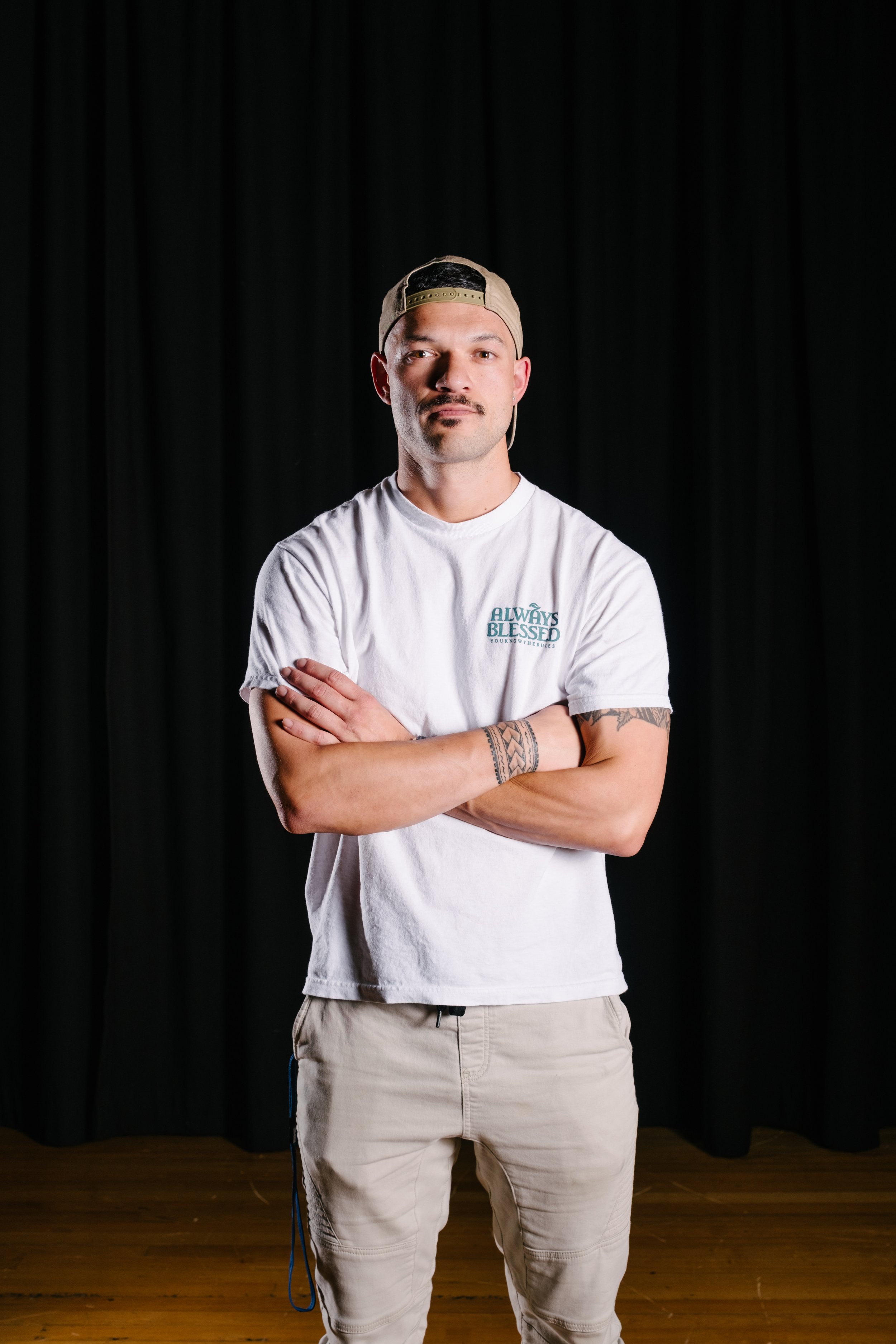
Leki is a playwright based in Tāmaki Makaurau whose work centres Pacific stories, humour, and contemporary experiences. Of Tongan, Niuean, and Sāmoan heritage, he has become a leading voice in Aotearoa theatre, creating work that reflects the complexities, resilience, and vibrancy of Pacific communities.
A graduate of the Pacific Institute of Performing Arts, Jackson-Bourke first gained recognition as co-writer of Inky Pinky Ponky (2015), which was later published in Talanoa: Four Pacific Plays and adapted into a television series for Māori Television. His acclaimed works include The Gangster’s Paradise, a joint winner of Playmarket New Zealand’s Plays for the Young Competition, alongside numerous productions developed across stage and screen.
Jackson-Bourke is the recipient of several major honours, including the Creative New Zealand Emerging Pacific Artist Award (2018), the Todd New Writer’s Bursary, the Victoria University Emerging Pasifika Writer in Residence Award (2019), and the 2024 Bruce Mason Playwright of the Year Award. Through his writing and creative leadership, he continues to champion Pacific storytelling and expand opportunities for future generations of artists.
Project Summary
Taonaga Tufuga Fakamotu | Niue
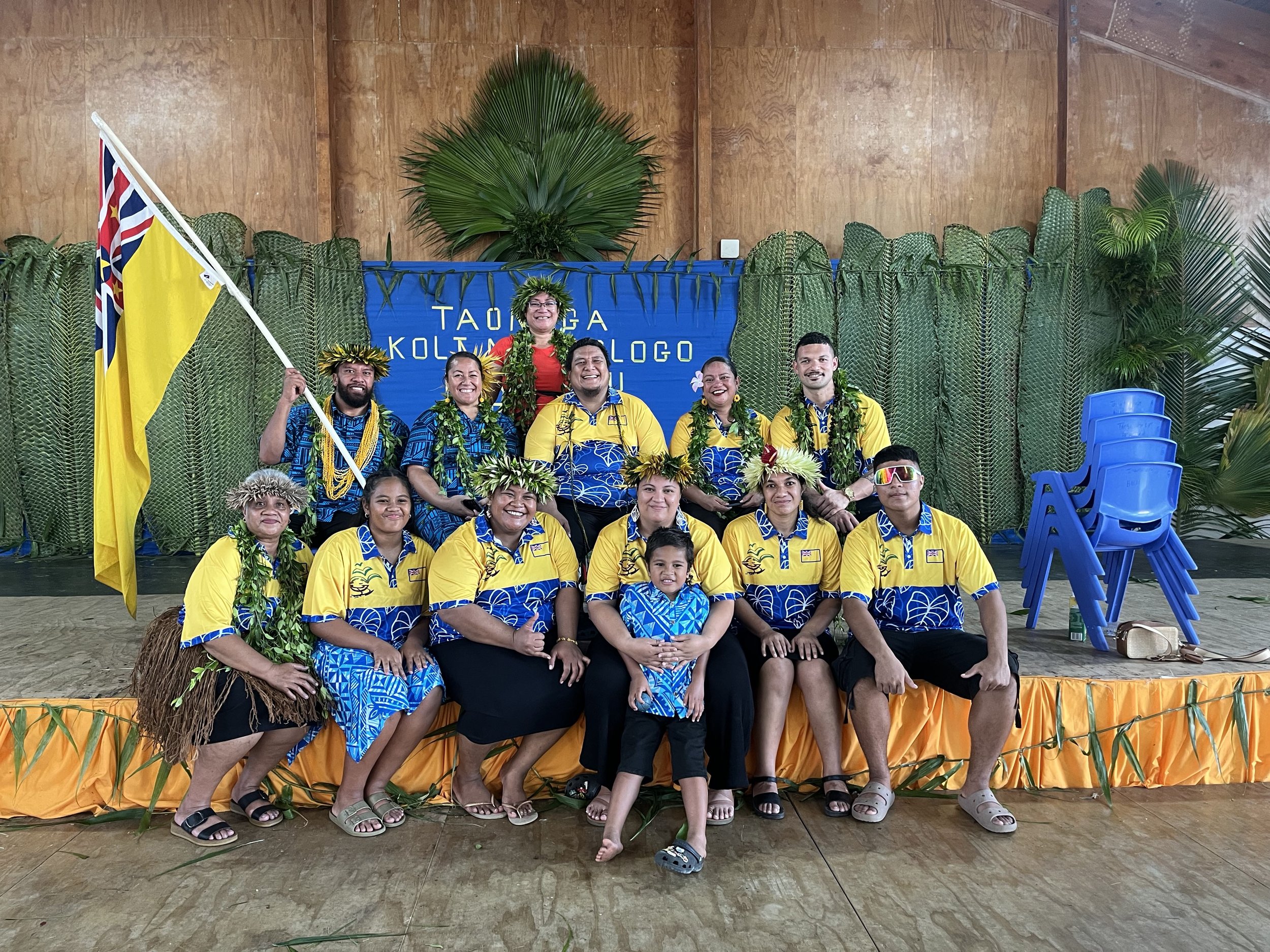
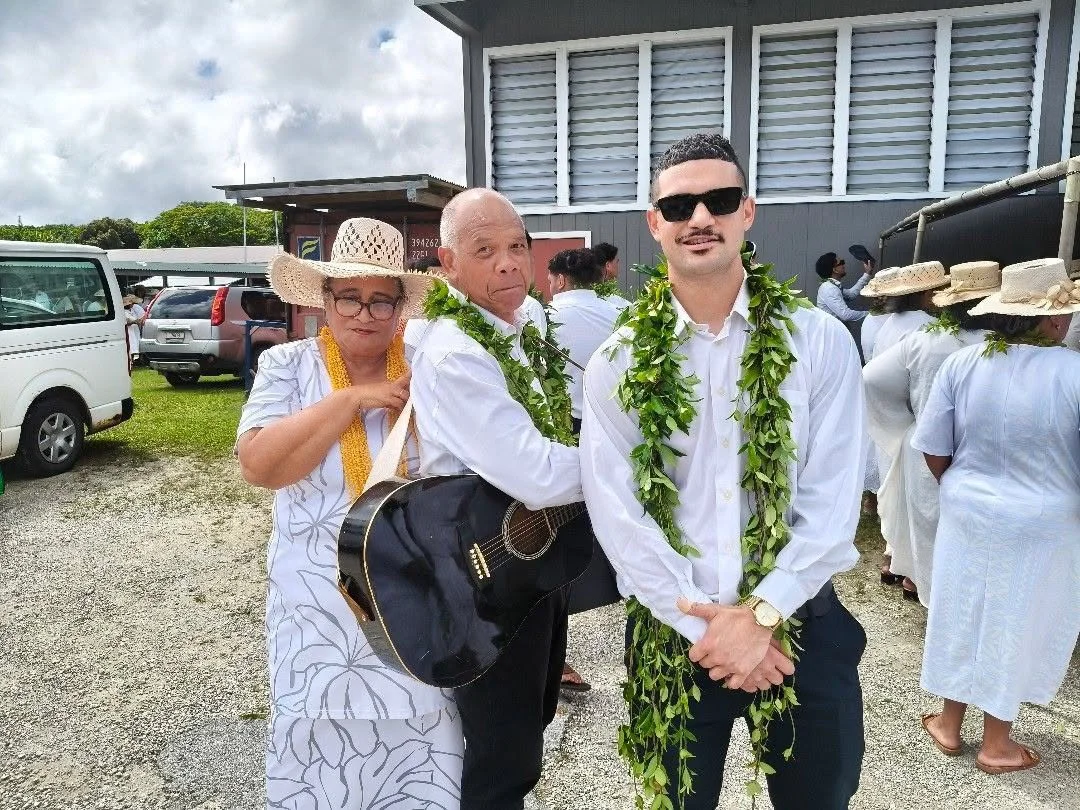
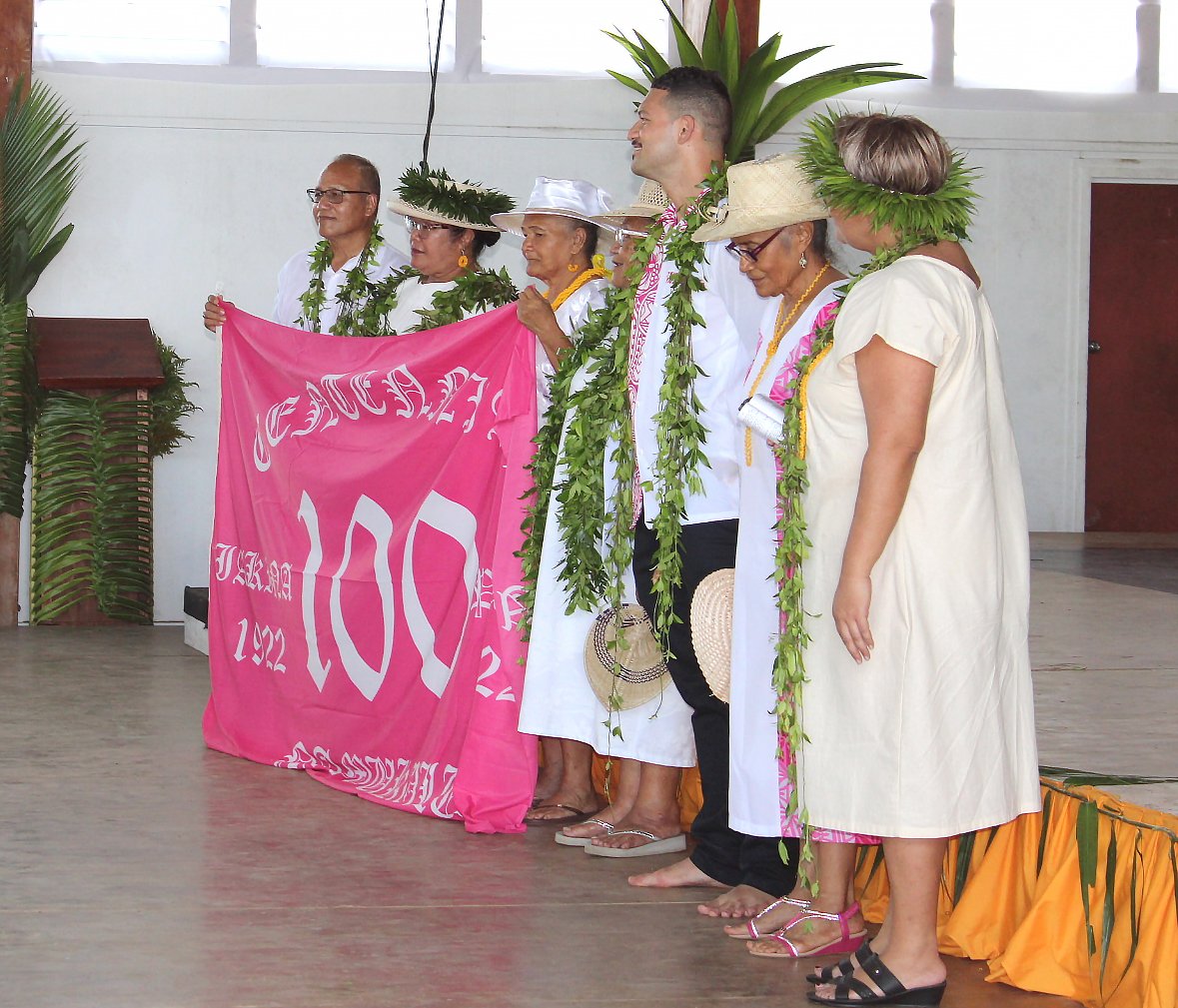
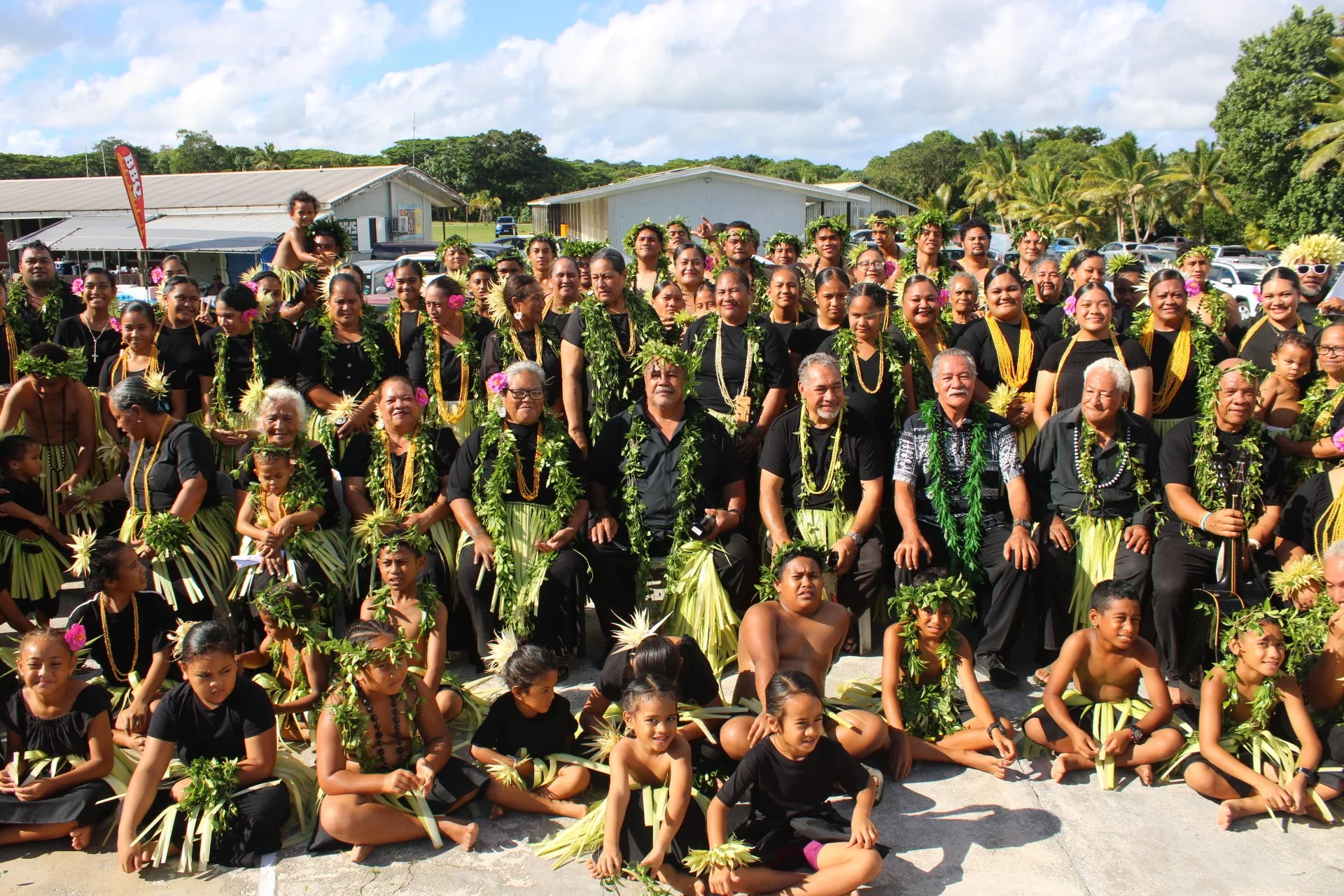
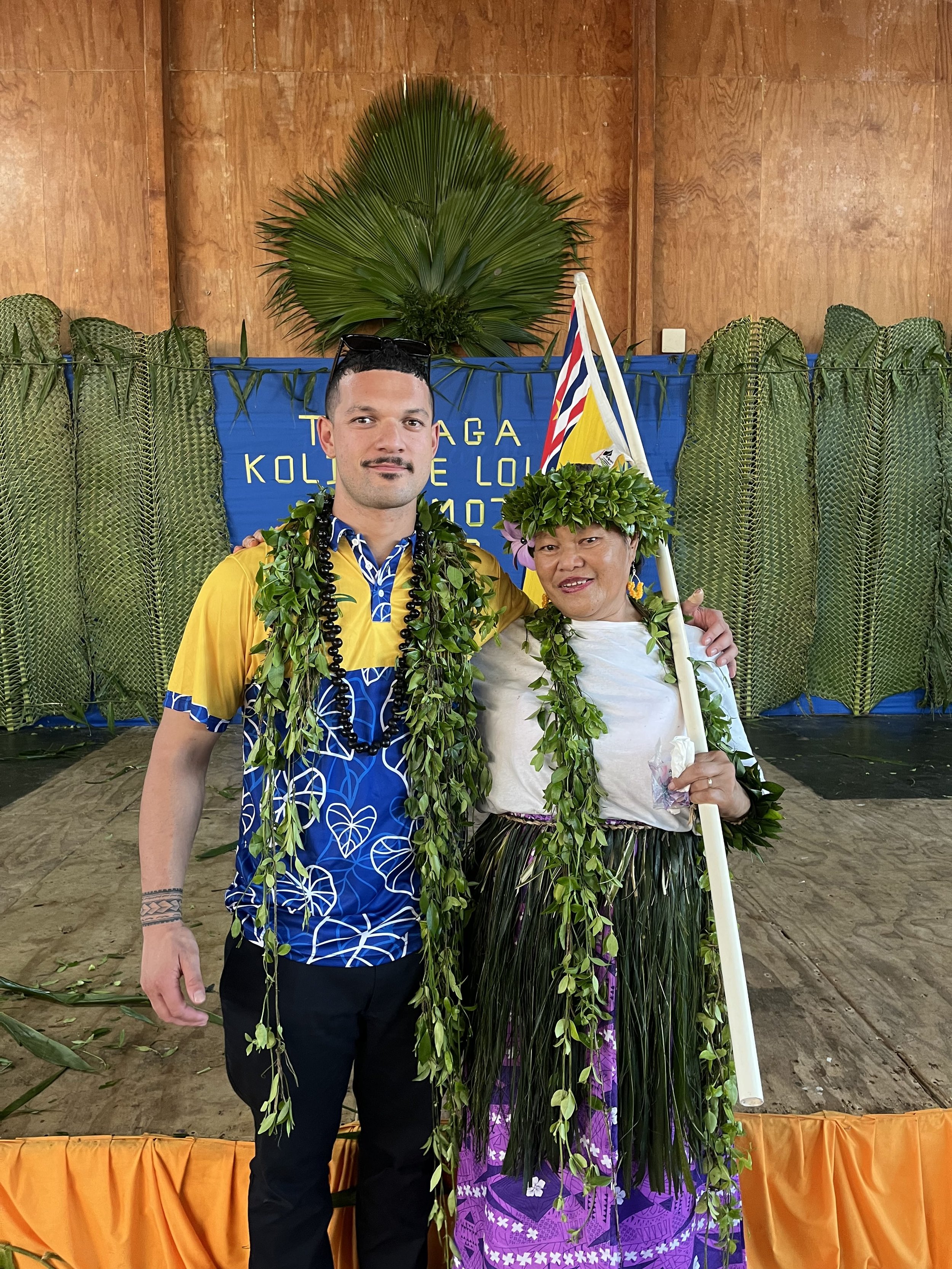
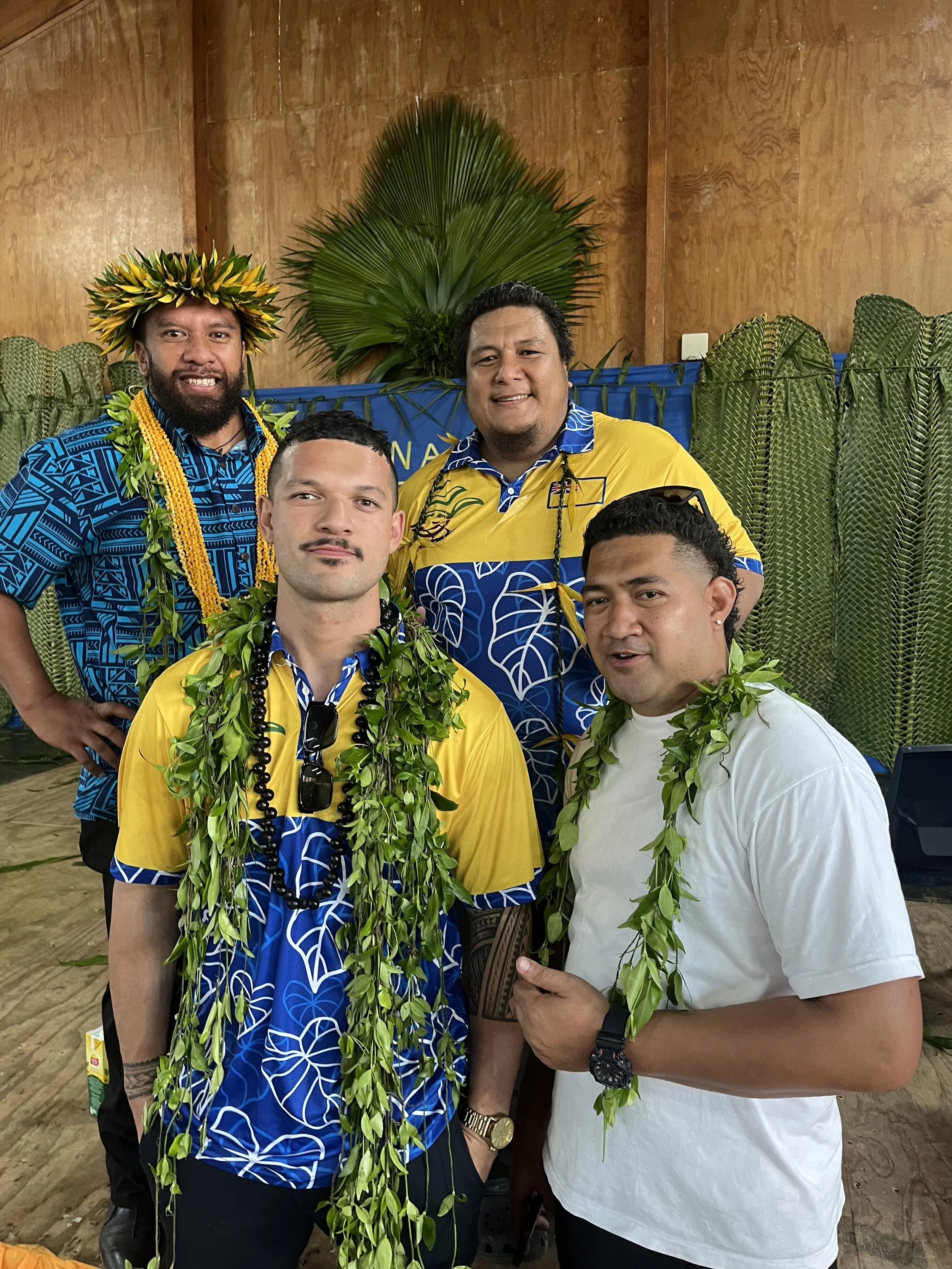
Earlier this year, Leki Jackson-Bourke travelled to Niue to participate in Taonaga Tufuga Fakamotu 2026, a new festival celebrating Niue cultural heritage through traditional and contemporary song and dance. Established to revive cultural performance practices and encourage village participation, the festival brought communities together through a programme of workshops, knowledge sharing, and performance.
Invited in his capacity as Creative Director of HOLOGA Festival 2025–2026, the largest Niue festival in Aotearoa NZ, Jackson-Bourke supported local groups and the organising committee while contributing as a guest speaker during the festival’s main cultural event. He also delivered a contemporary creative workshop, sharing approaches to transforming and repurposing cultural art forms for contemporary contexts while remaining grounded in Niue identity and tradition.
Through this opportunity, Jackson-Bourke contributed to the ongoing exchange of cultural knowledge between Niue and its diaspora, supporting the continuation and evolution of Niue arts practices across generations.
RESIDENCY SUMMARY
Participating in Taonaga Tufuga Fakamotu 2026 in Niue was a meaningful opportunity to engage in cultural, creative and professional exchange while reconnecting with local artists, cultural practitioners and communities on the island.
A key part of my programme involved facilitating workshops and working alongside local choreographers, composers and cultural practitioners. As many of the performances had already been developed, I focused on sharing contemporary choreographic approaches drawn from my own background in dance. I offered suggestions around structure, rehearsal processes and professional practices that could help strengthen the aesthetic quality of performances while also supporting the wellbeing of performers.
Although I had not initially planned to perform, attending rehearsals and joining some of the groups became an important part of the experience. In some cases, my involvement helped support and strengthen smaller groups participating in the festival.
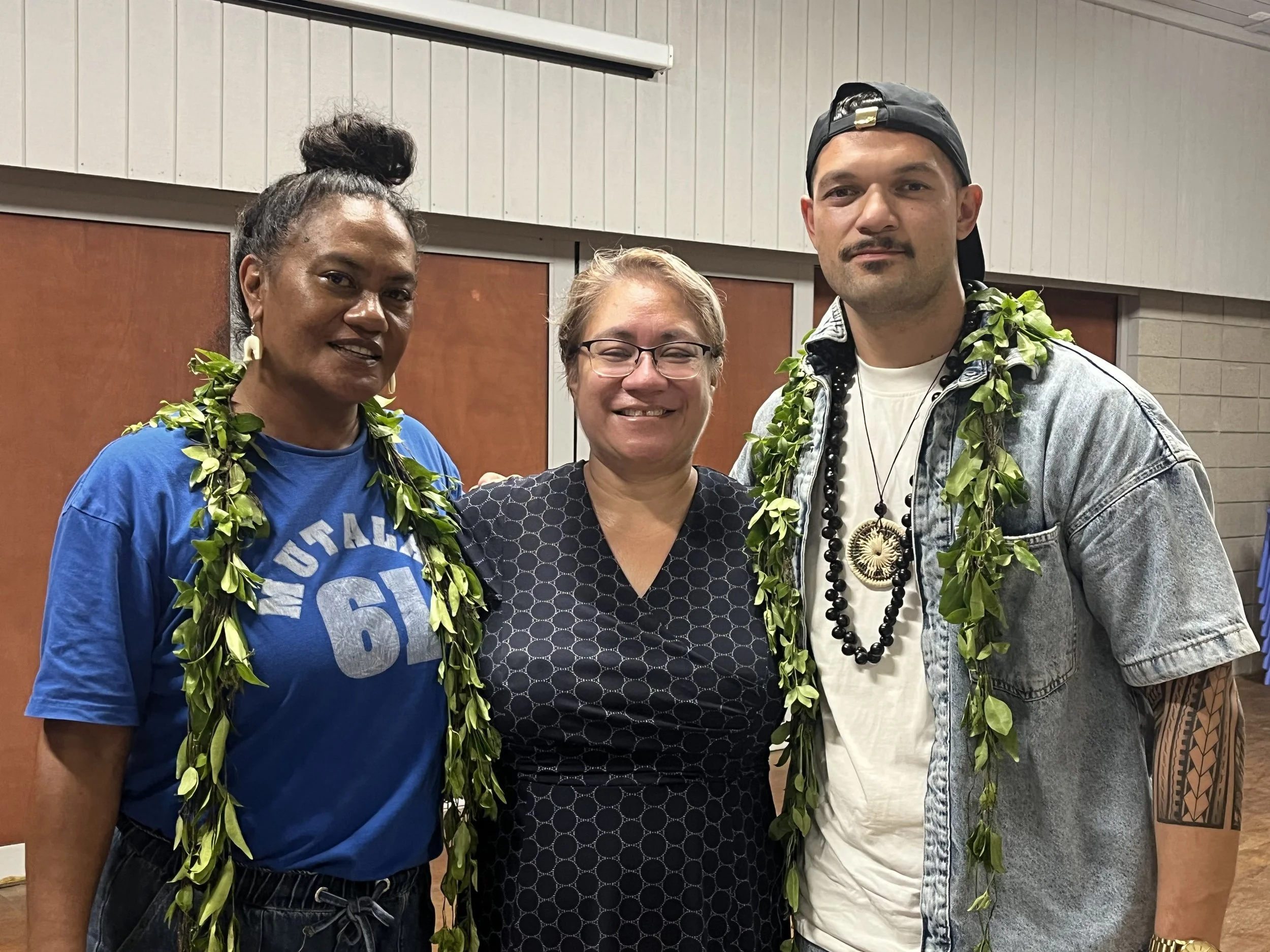
One of the most valuable experiences was contributing to a professional talanoa alongside acclaimed Pacific artist and storyteller Diana Fuemana. Originally intended as a youth-focused session, the talanoa became an intergenerational gathering, with artists, elders, families and community members coming together to discuss traditional and contemporary Pacific arts practice, creative sustainability, training pathways and the realities of building long-term careers in the arts. The conversation created an important space for reflection, knowledge sharing and open dialogue.
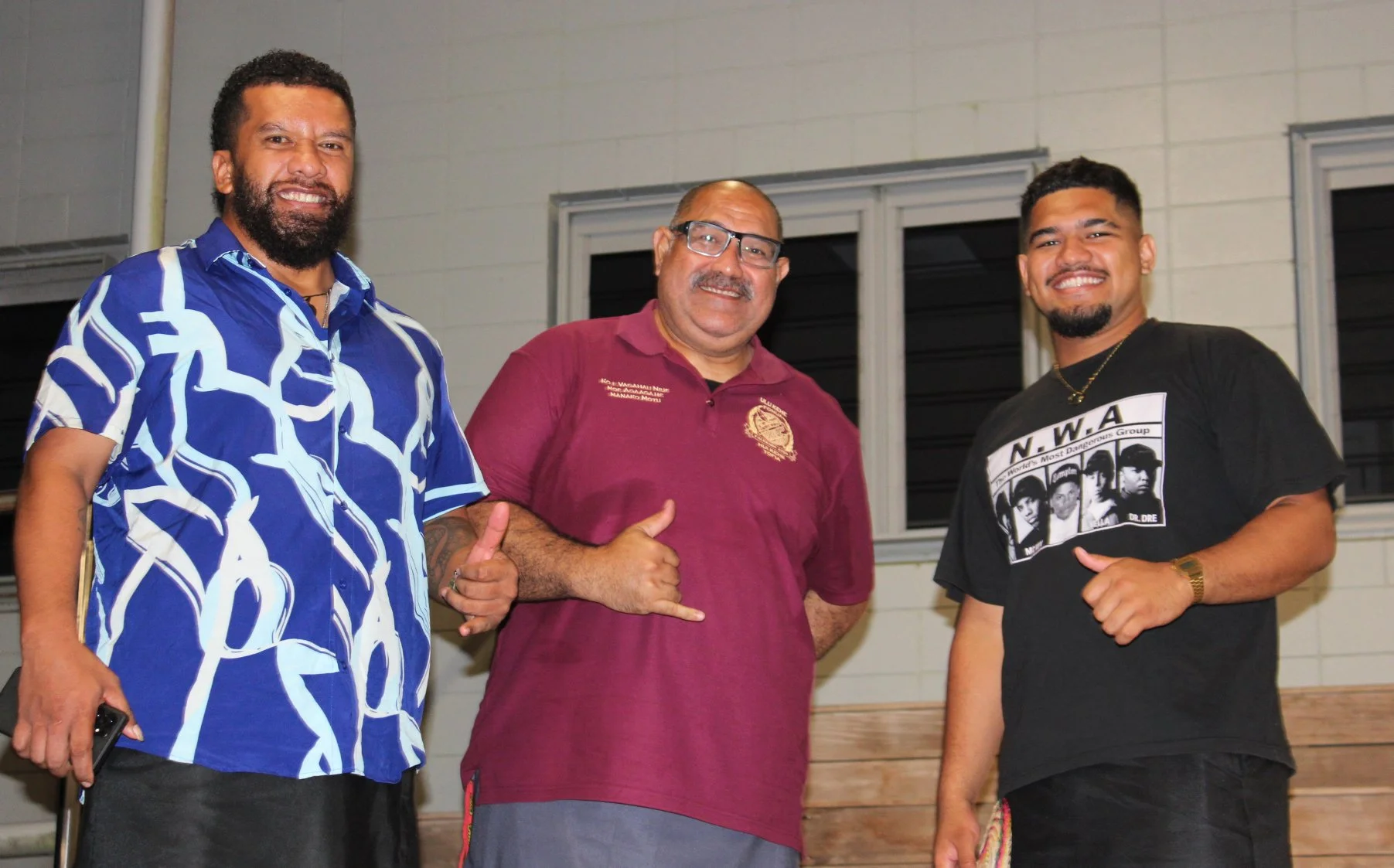
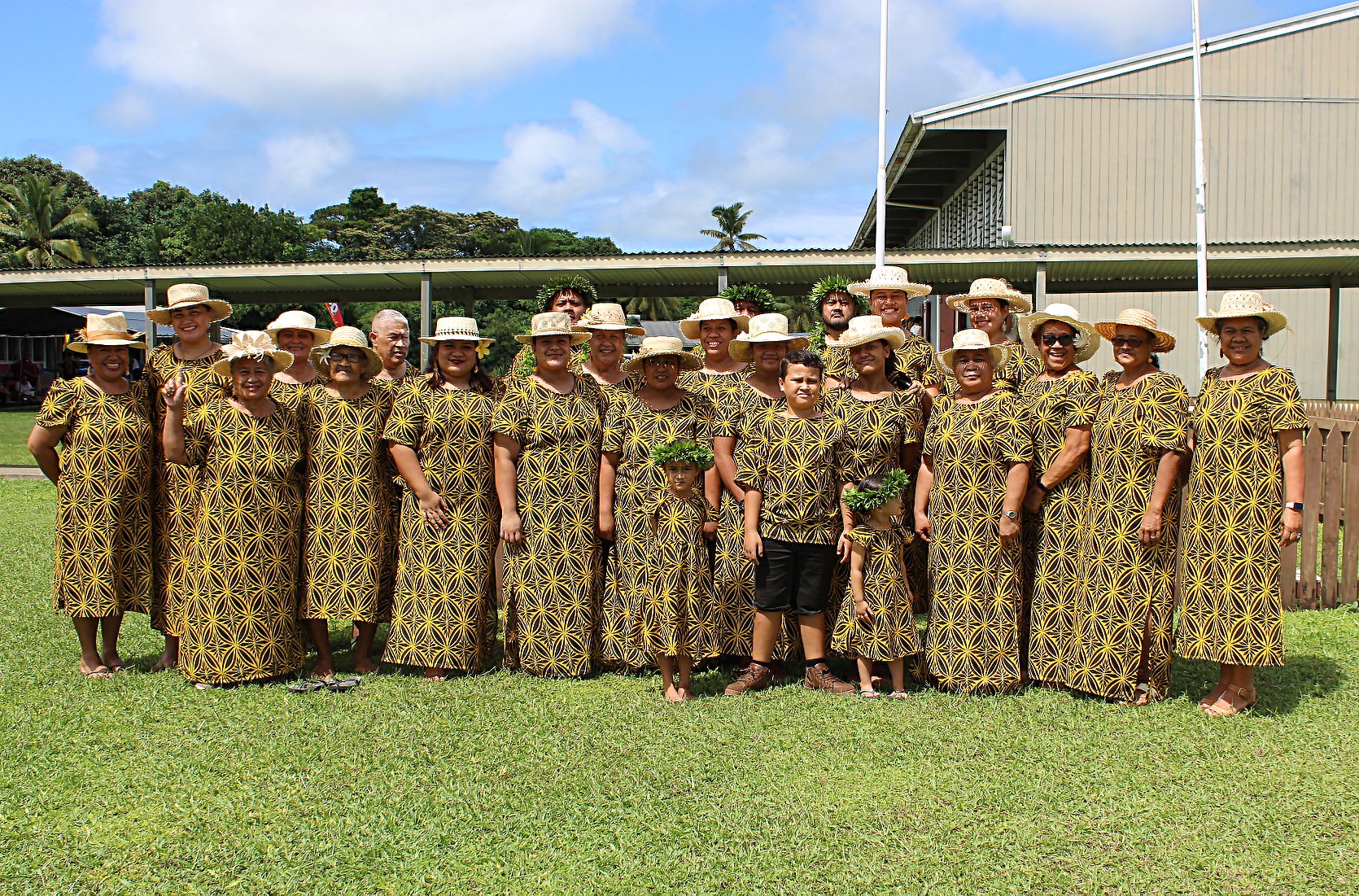
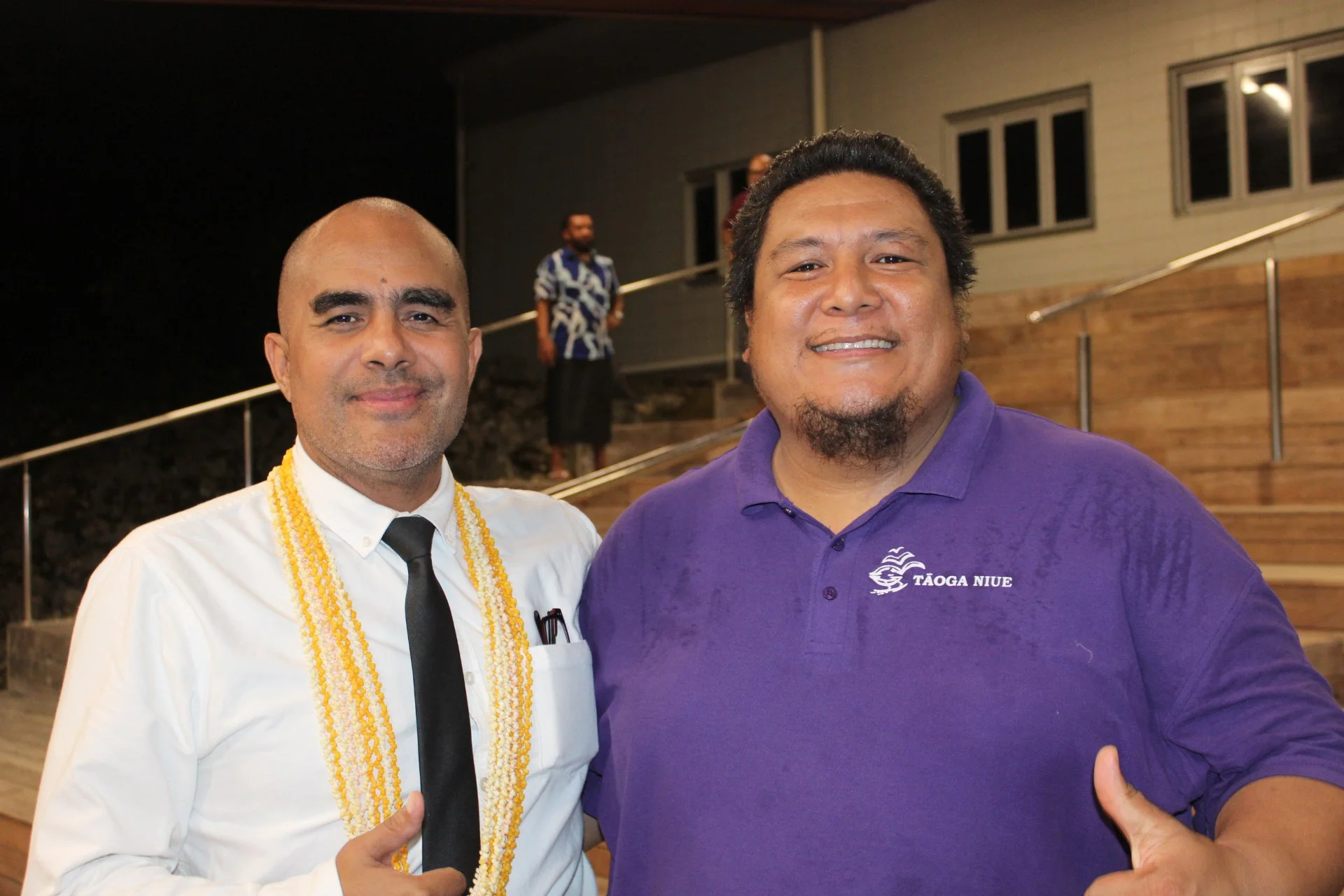
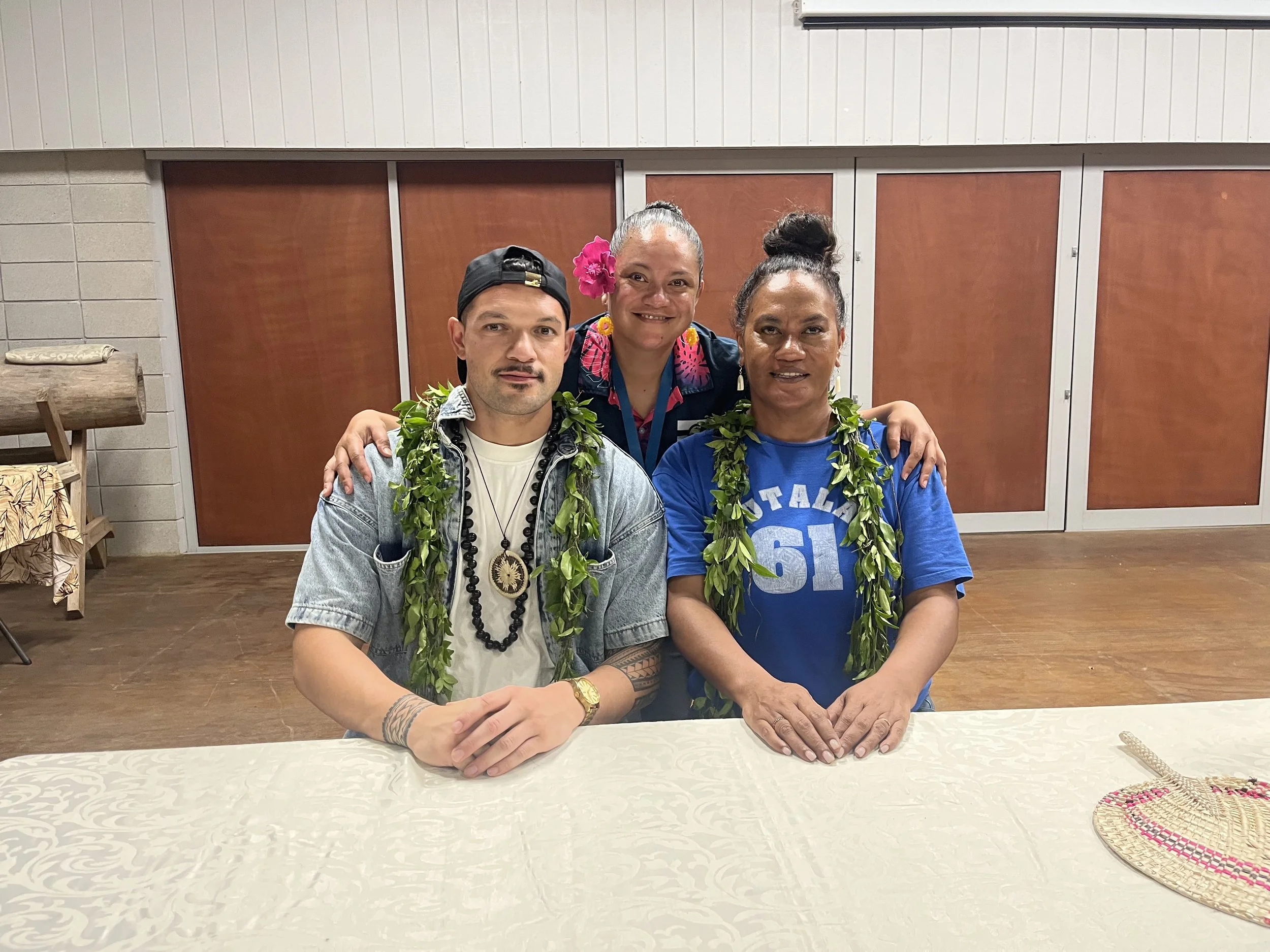
Throughout the programme I also spent time connecting with local artists, village groups including Hakupu, Lakepa and Namukulu, cultural leaders and members of the Taoga Niue organising committee. These conversations provided valuable insight into local cultural practice, the realities of creating work on the island, and the challenges that can sometimes affect the development of the arts sector. Being invited into discussions about future creative development and exchange between Niue and Aotearoa was a particular highlight.
One of the strongest impressions I took away from the experience was witnessing the commitment of local village groups and cultural practitioners who continue to uphold and preserve Niue cultural arts despite limited resources and opportunities. It reminded me that contemporary Pacific arts practice is not only about innovation, but also about responsibility, reciprocity and service.
My first workshop became an opportunity for deeper engagement. The small group allowed for more meaningful conversations about contemporary arts practice, the challenges facing artists in Niue and the desire many local creatives have to explore new approaches while remaining grounded in culture.
To build on this, I worked with Taoga Niue to organise a public talanoa following the festival. The session attracted more than 40 attendees and provided an opportunity to speak honestly about my own arts practice, the challenges artists face and the importance of creating pathways for future generations.
As a direct result of this experience, I have begun developing plans with the Minister for Arts and Culture, the Director of Taoga Niue, and local artists to stage my multidisciplinary theatre work ‘I MUST NOT SPEAK NIUEAN’ in Niue as part of the 2027 Niue Arts Festival. The project would bring together artists and performers from both Aotearoa and Niue, creating opportunities for genuine cultural exchange, mentorship and intergenerational knowledge sharing.
My advice to others is simple: take a hands-on approach and do not wait for opportunities. In Niue, everything comes back to relationships and reciprocity. Arrive with an open mind, humility and a willingness to serve. The most valuable part of these exchanges is not what you bring, but the relationships you build and the understanding you gain from listening to people, their histories, their challenges and their aspirations.
One of the most humbling moments came during my first meeting with the festival organisers when I asked where they needed support. Their response was, "Can you open and close the curtains?" It reminded me that no job is too big or too small. We all have a role to play in serving the arts, and sometimes the greatest contribution comes from simply showing up and helping where it is needed most.